Jordan is the Senior Editor for Movies & TV News at Screen Rant. She graduated from the University of Oregon with a B.A. in Psychology and a minor in Media Studies. An editor, writer, and digital media specialist based in New York City, you can also find her bylines on Business Insider.
Jordan originally hails from Washington State, giving her an undying loyalty to any Seattle sports team, though she’s also spent time in Virginia, Oregon, and New Orleans. She runs on coffee and classic movies, taking pride in having seen every film on AFI’s 100 Greatest Films list and every Best Picture Oscar winner.
Ridley Scott’s return to dystopian worldbuilding culminates in one of the most quiet, humorous, and optimistic ventures of his career. While The Dog Stars isn’t a groundbreaking entry in the packed modern slate of post-apocalyptic films and TV shows, it’s an entertaining, visually stunning ride with a refreshing focus on hope.
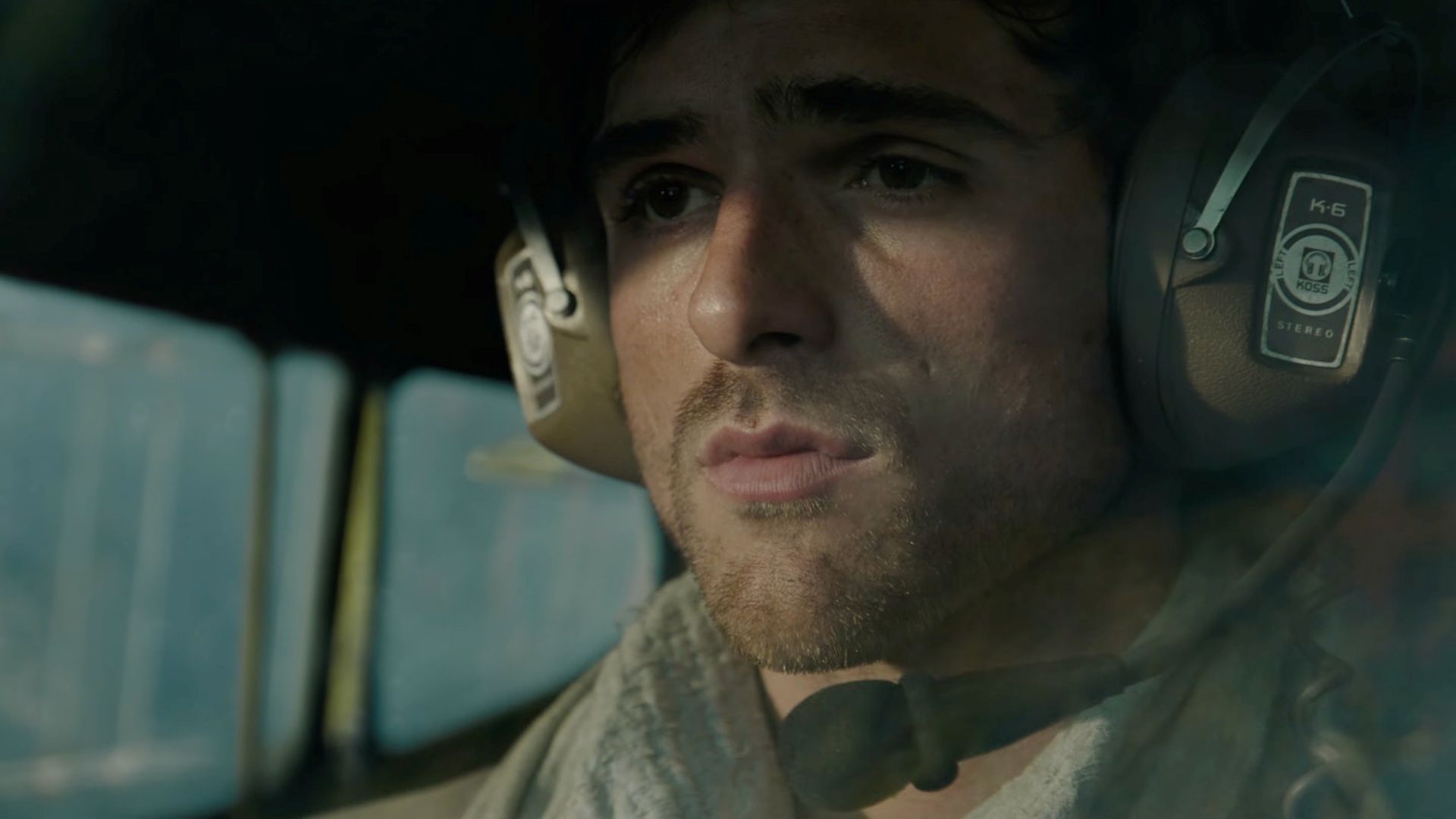
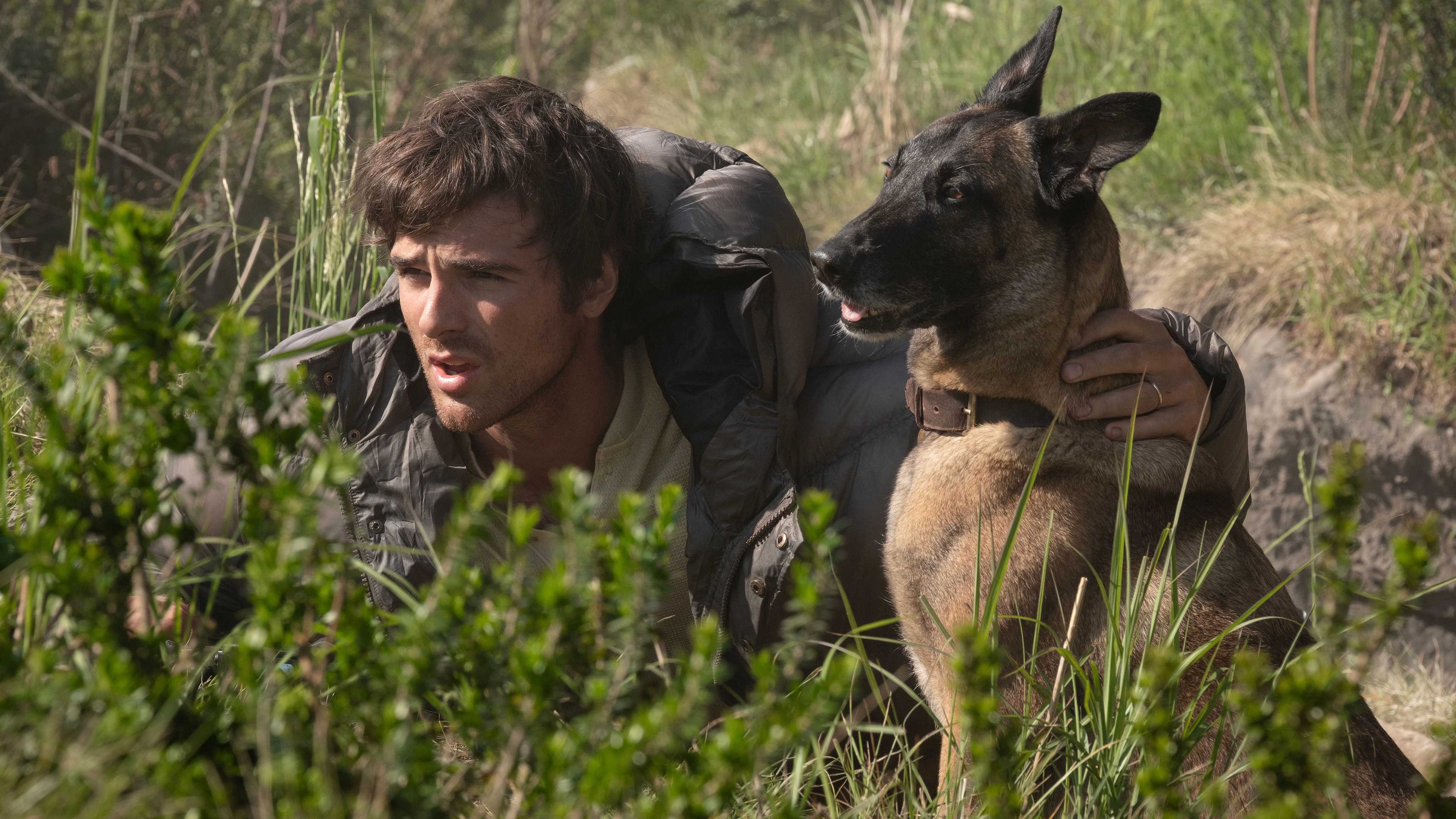
Based on Peter Heller’s same-named 2012 novel, The Dog Stars is a more toned-down scale from what might be expected of a Scott dystopian thriller. The aerial scenery is beautifully shot, and the action set pieces are constantly engaging, but Scott keeps this story feeling more intimate and localized. The Dog Stars’ cast is also a tight ensemble led by a mix of acclaimed movie stars, with Jacob Elordi, Margaret Qualley, Josh Brolin, Guy Pearce, and a lovable dog at the lead, surviving the darkest pitfalls of humanity across a few key locations in post-apocalyptic Colorado. For the most part, it works.
In regard to The Dog Stars’ messaging and themes, it’s not much different from what the most popular post-apocalyptic media have already been saying. The notion that other humans become the biggest threat at the end of the world is a familiar formula. It’s one of the biggest throughlines in modern post-apocalyptic franchises such as The Last of Us, The Walking Dead, A Quiet Place, Fallout, and 28 Years Later.
The Dog Stars ultimately stands apart due to its persistent optimism in the face of loss, desperation, violence, and depravity…
But, with zombies and extraterrestrial creatures absent, Ridley Scott’s film drives home these themes on humanity with a heavier hand. Moreover, The Dog Stars ultimately stands apart due to its persistent optimism in the face of loss, desperation, violence, and depravity in a world of constant survival.
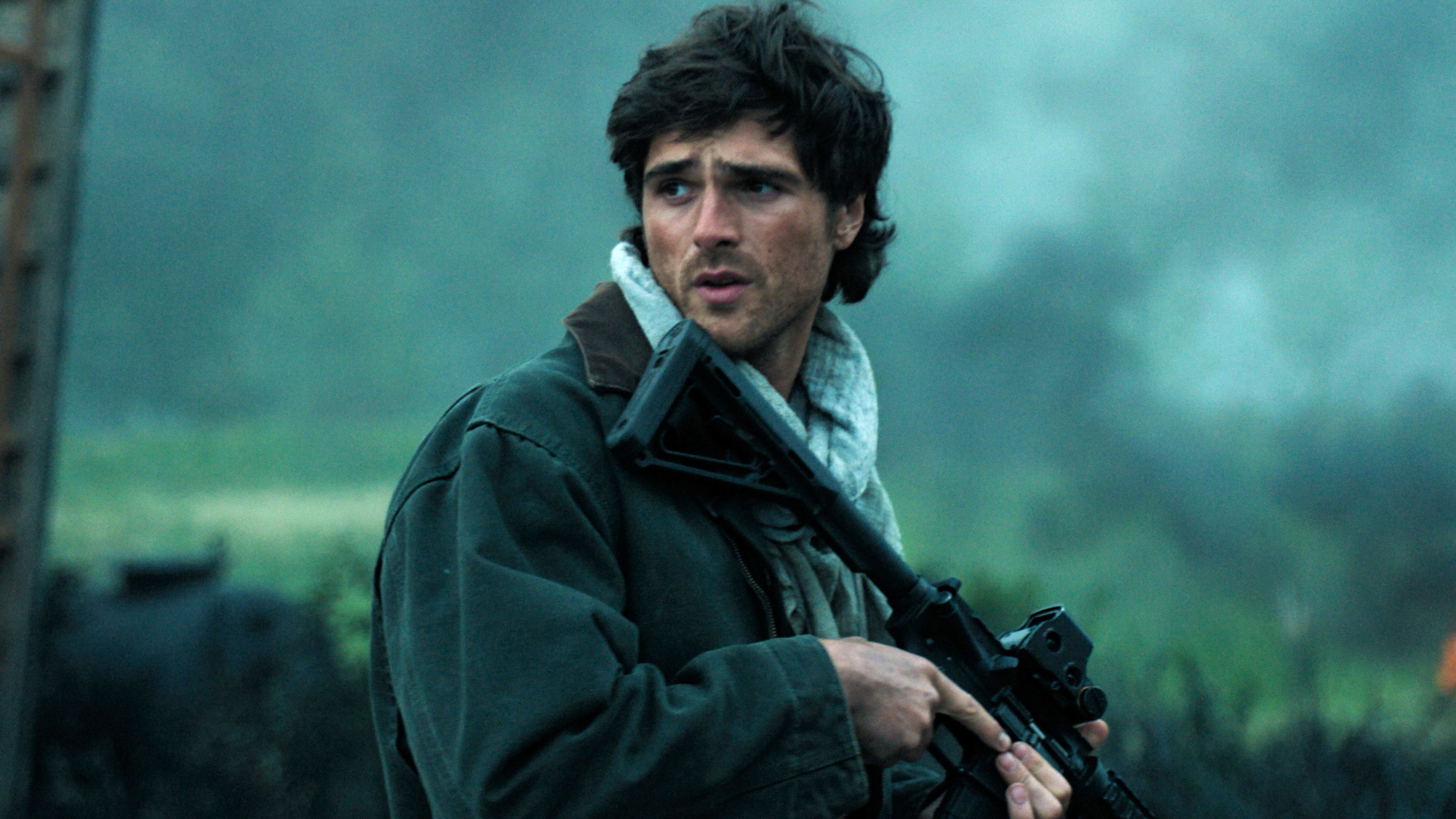
This unwavering hope is represented by Jacob Elordi’s Hig, who loses those he loves, is frequently hunted by other survivors, and has his dreams crushed at almost every turn – yet still chooses to maintain his faith in a good world. Hig’s optimism is best emphasized opposite his survival partner, Josh Brolin’s Bangley, who serves as the eternal cynic. Whereas Hig clings onto optimism despite the darkness he encounters, Bangley holds onto the idea that humanity has always been this way.
Interestingly, Scott doesn’t necessarily condemn either perspective. In this world, it’s just as dangerous to believe humanity is lost as it is to blindly keep your guard down. On his search for a potentially civilized society in Grand Junction, Colorado, Hig’s optimism is occasionally proven right, as he finds other moral survivors and forges his own community. But it’s Bangley’s pessimistic reservations that tend to keep them alive.
The Dog Stars is at its best in the quieter moments that reclaim hope, peace, and humor at the end of the world. Scott says more in scenes that take place over a calm meal than he does in dialogue-heavy, emotive set pieces. Part of the issue is the pacing and tone, which never quite find a satisfying balance as Hig moves between locations and character groups.
While Ridley Scott’s masterful action sequences are kept constantly engaging through sharp editing and direction, their impact often falls flat without much of a narrative punch to back them up. These big set pieces come and go with little depth, turning threats to The Dog Stars’ heroes into more cartoonish caricatures than nuanced reflections of humanity in a survivalist world.
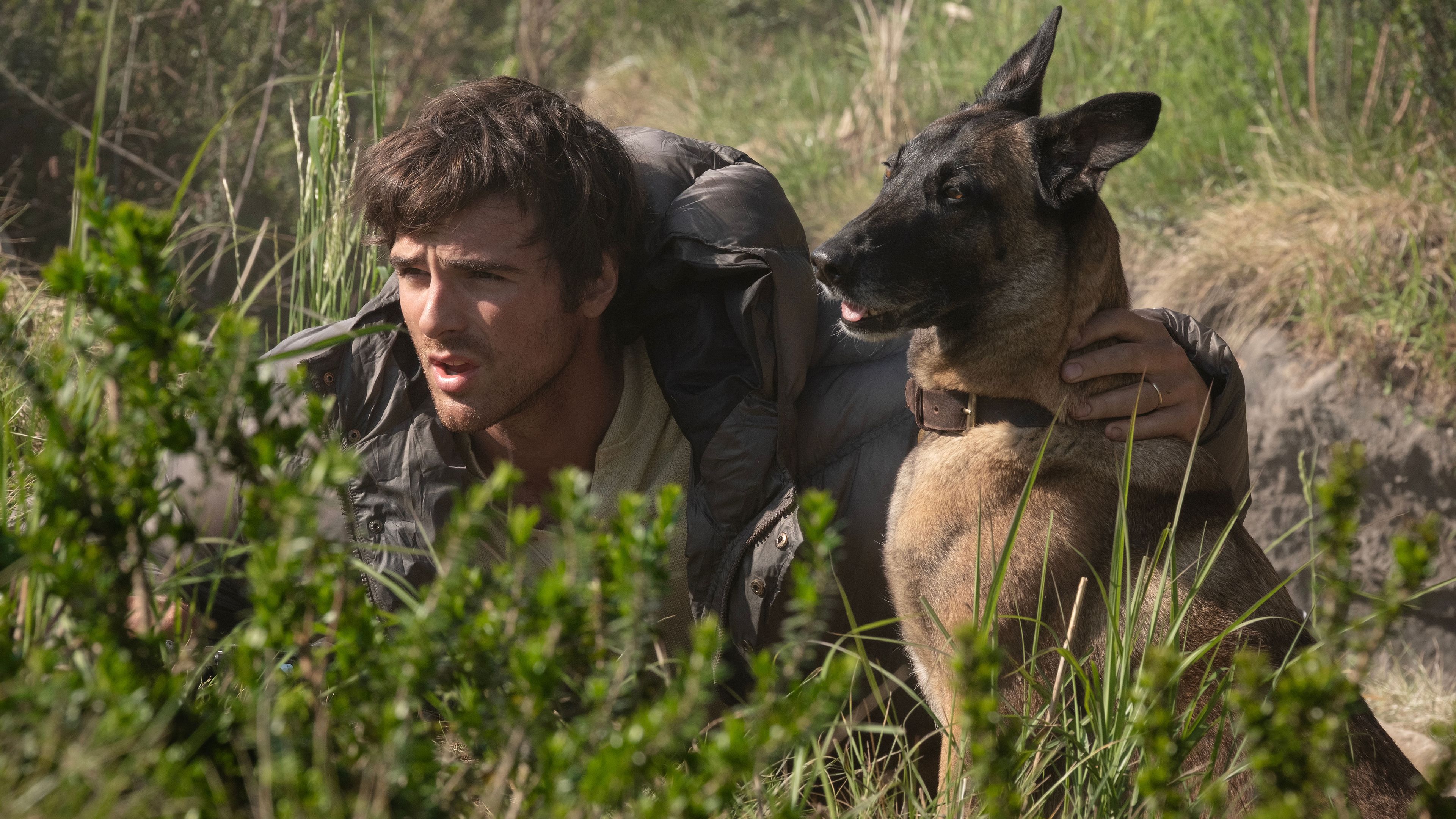
The intimate moments establishing the friendship and partnership between Hig and Bangley; the gradual changes in dynamics between Hig and Cima (Qualley) and her father, Pops (Pearce); and Hig’s adventures with his dog, Jasper, are largely serious, with notes of humor as Scott explores flawed people clinging onto their humanity. Then, the next moment, The Dog Stars turns into a ridiculous, Fallout-style action comedy with heads being chopped up in propellers and erratic, Fury Road-esque villain attacks.
Scott does an impressive job of making each of The Dog Stars’ main characters undeniably likable despite their differing views on humanity and the apocalypse, but the film struggles to go much deeper with establishing other survivors or community types. Similarly, while the airport, Hig’s old house in Denver, and Cima’s home are effectively explored, the worldbuilding is left underdeveloped, and we leave without a deeper understanding of their environment.
Nobody in The Dog Stars is miscast, but the characters ultimately feel lacking by the film’s conclusion. Even after having their dreams built up and destroyed, facing horrible grief, and finding new hope together, their development remains fairly surface-level. While the latest Ridley Scott movie gives us enough time to learn to like and appreciate the main ensemble, one flaw of The Dog Stars is its hesitation to sit with these characters in emotional, layered moments during and after crucial plot points.
Hig remains consistent throughout the film’s ups and downs, with certain narrative developments ultimately feeling unearned after so few opportunities to delve into his grief and background. Since the script doesn’t do much to aid his growth and changes, the majority of the film’s understanding of him is established without dialogue. For this purpose, Elordi was a brilliant casting choice.
Many examples of Elordi’s strongest acting come from his body language and facial expressions rather than dialogue, which is what ultimately helped score him an Oscar nomination as the Creature in Guillermo del Toro’s Frankenstein. Similarly, in The Dog Stars, Elordi emanates a collected, peaceful grace, whether he’s surrounded by the serenity of the Colorado landscape or the grit of debris-filled ruinous cities. His self-assured, quiet charm makes it impossible for those he encounters not to come around to him.
Still, Hig is unlike other characters Elordi has portrayed in his mainstream career. Oftentimes, we’ve seen him in antagonistic roles erring on the more monstrous sides of humanity, such as in Euphoria, Saltburn, Priscilla, and Wuthering Heights. The Dog Stars is a refreshing change of pace, breaking further out of that typecast with a more vulnerable, hopeful adventure hero. Certain playful pieces of dialogue in The Dog Stars feel awkward, but Hig overall works with the unique way Elordi carries himself.
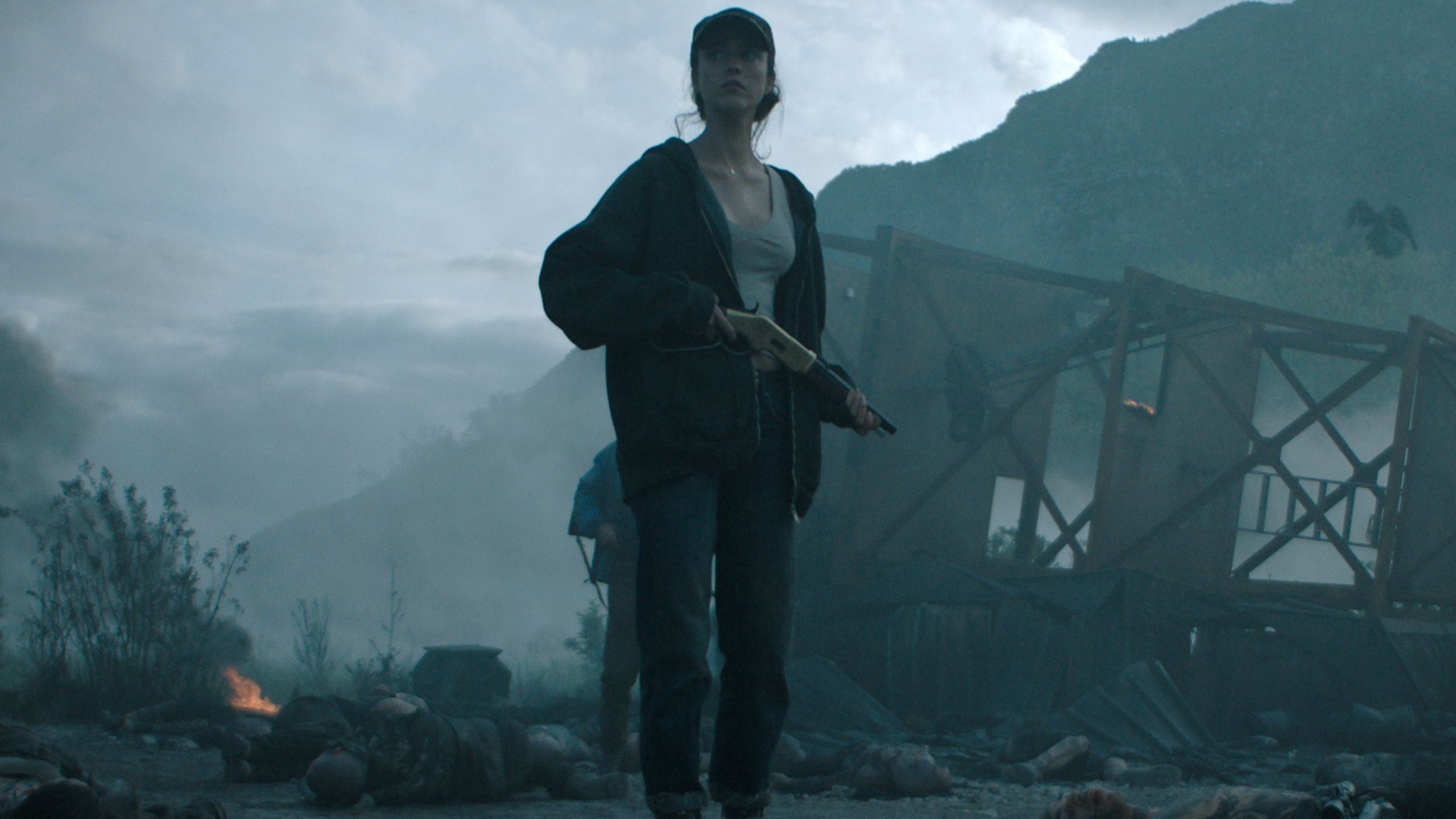
Guy Pearce and Margaret Qualley join the action a bit later as father-and-daughter Pops and Cima, who fittingly mirror the cynic-optimist dynamic of Hig and Bangley. As charming as they are in their roles, The Dog Stars’ treatment of their characters is fairly surface-level, allowing for some entertaining moments as they form a rapport, but failing to dig into them as well-rounded figures.
The Dog Stars’ standout is by far Josh Brolin…
Consequently, the romance in The Dog Stars also proves to be a fairly thin subplot, feeling more like a rushed-through afterthought. While it isn’t entirely shoehorned in, the movie feels like it’s missing a few crucial scenes between Hig and Cima in the third act to be effective.
The Dog Stars’ standout is by far Josh Brolin, who nails the balance of humor, cynicism, aloofness, and care in his first couple scenes without feeling cartoonish. The writing feels sharpest for Bangley, with his character evolution also emerging as one of the film’s most engaging aspects. Elordi and Brolin’s chemistry is a shining light, making Hig and Bangley’s relationship the story’s strongest dynamic.
Ridley Scott isn’t reinventing the wheel of post-apocalyptic thrillers with The Dog Stars, but the cast, atmosphere, and stunning visuals make the two-hour adaptation an easy-to-watch adventure among summer blockbuster fare. While it starts a bit slow, the film soon kicks into gear with captivating sequences that hold a steady plot-moving momentum, entertainingly held together by the editing and Scott’s swift direction.
The Dog Stars releases in theaters nationwide on Friday, August 28.