Published Aug 2, 2026, 7:45 PM EDT
Cher Thompson is a Senior Staff Writer at Screen Rant, where she covers everything from explosive reality TV moments to cast interviews about the twists and turns of scripted dramas. With a background in creative writing, marketing, and teaching, Cher knows how to spot both the storytelling genius and the guilty pleasures in pop culture. Her work blends wit with insight, making readers feel like they’re chatting with a friend who just happens to know way too much about TV.
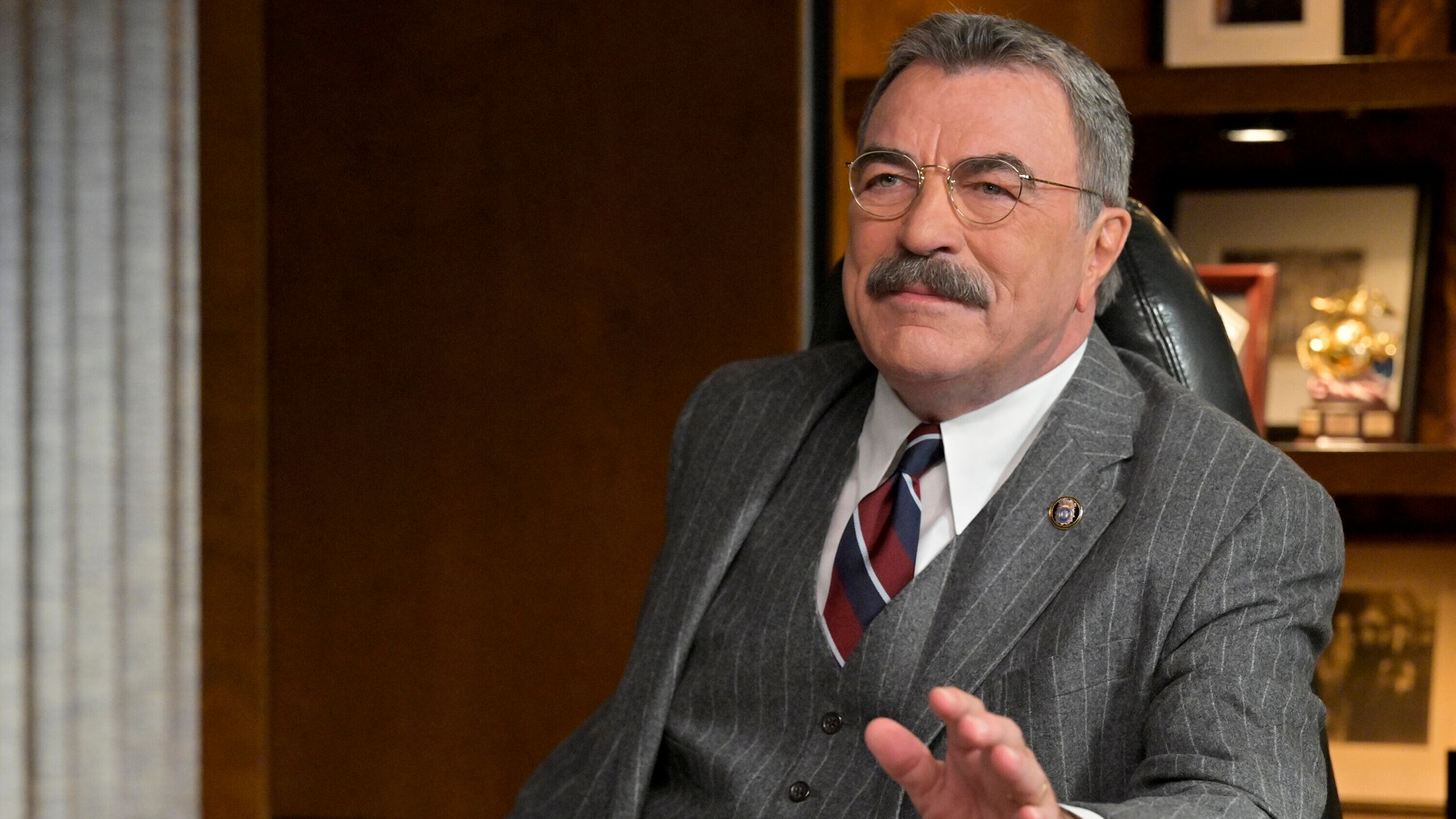
The heart and soul of Blue Bloods, Tom Selleck’s Commissioner Frank Reagan is the patriarch of the show’s core family and is always good to dole out a nugget of wisdom regardless of who he’s talking to. With a staunch moral compass, Frank knows right from wrong and doesn’t like to be told otherwise. As the head of a family who has multigenerational ties in law enforcement, Frank’s position overseeing the NYPD is only second to his role as the anchor of his beloved family, which leaves him balancing his personal life and professional duties throughout Blue Bloods’ 14-season run.
Frank’s sense of leadership comes with an idea of fairness that made him a fan favorite on Blue Bloods quickly. His ability to admit when he’s wrong and deal with his issues in a calm, effective way is great for his job, but he’s also able to bring that into his family structure, which has a ripple effect on the rest of the family. Frank’s desire to make the city a better place for those who live in it is a massive part of his character, and his dedication to New York’s safety makes him a memorable main character.
Although *Blue Bloods’ *cancellation still stings, the show’s fourteenth season got off to a great start and saw Frank imparting the same sort of wisdom he had throughout the show’s previous seasons. Caught between backing Mayor Chase’s (Dylan Walsh) decision to suspend the city’s right-to-shelter law and his loyalty to the office, Frank is having a tough time figuring out what the right decision is in the premiere. In trying to explain himself, Frank explains that sometimes just showing up can be the thing that makes or breaks an interaction.
Frank has dealt with a fair bit of tragedy throughout his life, including the death of his son Joe before the series. While Frank and the rest of the family cope with Joe’s death in their own ways, an early Blue Bloods storyline brought his murderer to light, and Frank had some interesting sentiments to share with Sonny Malevsky (Michael T. Weiss) during the first season’s finale. After Frank, who finally knows the entirety of what happened to his son, talks openly with Sonny about death, the corrupt cop is so incredibly guilt-stricken that he tragically takes his own life.
As someone who consistently deals with the letter of the law and the legal system, Frank doesn’t mince words when it comes to death, law enforcement, or much of anything else. In a moment during *Blue Bloods *season 4 where Frank’s son Danny (Donnie Wahlberg) is negotiating during a difficult hostage situation, Frank makes it clear that trial by jury, which would see twelve people deciding someone’s fate, is far better than being carried by six men in a casket. Frank’s desire for an outcome that doesn’t involve anyone being harmed is a major part of his interesting, complex personality.
Throughout *Blue Bloods’ *run, the thread of larger societal issues and the way that Frank’s NYPD is navigating crimes that ultimately stem back to social issues is a long-running one. During a storyline in *Blue Bloods *season 6, Frank is dealing with a controversy surrounding free speech when there’s a threat to burn the American flag during a protest. Having to take a fairly unpopular public stance, Frank doesn’t waver from the pressure he’s getting to stand down, and makes it clear that protesting peacefully isn’t a problem, but choosing to seek peace through violence isn’t the right way forward.
While the episode of *Blue Bloods *season 1 that this line comes from centers around Danny and Jackie (Jennifer Esposito) investigating a poisoning, the discovery of hidden motives within the world of the crime sees Frank stepping in to deliver one of his nuggets of truth. Speaking about the cost of truth, Frank delivers a clear message that the reward isn’t always what people expect, instead giving truth-tellers more of a clear conscience than something tangible. Frank’s ability to speak in a plain way but deliver a powerful message is a huge part of his appeal on Blue Bloods.
*Blue Bloods *explores the difficulties that Frank and the rest of the NYPD face with Mayor Chase as soon as he comes into power, and during the show’s tenth season, Frank is attempting to find ways to get the Mayor to work more cohesively with his team rather than creating friction with every move. When Frank is able to outwit Mayor Chase, even threatening to resign in order to get what he needs for the NYPD to function properly, he makes it obvious he’s dealt with change before and understands it at its core, imparting wisdom at the same time.
Frank’s consistently able to cut to the quick with the way he speaks about police work, law enforcement, and what it means to be a part of it. During *Blue Bloods *season 3, Frank is dealing with an issue in managing Danny and his partner after they’re pulled off a murder investigation and reassigned to protect a foreign dignitary. Danny and his partner aren’t happy about the shift, and the rest of the precinct isn’t thrilled with the dignitary’s political stances. While Frank may have his own personal beliefs, he explains that part of the job is protecting everyone.
Although *Blue Bloods *has many moments where the cops of the show are proven to be struggling with making the right decisions, Frank and his family aren’t typically struggling with finding the right path. In sharing some wisdom with his son Jamie (Will Estes), who he places on house arrest after a hit is put on his life by the Sanfino crime family, Frank tries to make it clear that he’s not sidelining Jamie without cause. He tries to explain that in his decision-making, he has no choice but to find space between a proverbial rock and a hard place.
As Frank works through each trial he finds himself dealing with, *Blue Bloods *always makes it clear that even if he doesn’t know what he’s doing, he has principles that can guide him as he moves forward. During one *Blue Bloods *season 8 storyline, Frank has limited leverage when he’s working against a private tech company, and having to rely on a personal, emotional appeal is a struggle, but isn’t the end of the world. Frank explains that using the resources available to him in any situation has to be enough, because he has what he has at his disposal.
As Frank is all about his large, complicated family, his love for those he’s been able to surround himself with is never in question. Family is at the core of *Blue Bloods, *and with Frank’s family being such a bright spot for him, he always puts them first when it comes to his own personal priorities. A recurring line throughout ***Blue Bloods, ***Frank makes it clear that his family comes first, and that’s a true rule of law in his life. The Reagan family, those closest to Frank and his extended family, are the most important people in his life.
](/db/tv-show/blue-bloods/)
2010 - 2024-00-00
David Barrett, Ralph Hemecker, Alex Zakrzewski, Robert Harmon, John Behring, Alex Chapple, Jackeline Tejada, Douglas Aarniokoski, Eric Laneuville, Michael Pressman, John Polson, Heather Cappiello, Félix Enríquez Alcalá, Jennifer Opresnick, Peter Werner, Donald E. Thorin Jr., Frederick King Keller, Bridget Moynahan, Dean White, Deran Sarafian, James Whitmore Jr., Martha Mitchell, Rachel Feldman, Robert Duncan McNeill