Published Jun 25, 2026, 8:00 PM EDT
Faith Roswell is a Senior Writer on Screen Rant’s Classic TV team. Since earning her degree in Creative Writing over a decade ago, Faith has written articles on film and TV from a variety of different angles. Faith now combines her knowledge of psychology with her love of monster movies to give more insight into what makes the best ones.
You may have read her Screen Rant lists and features covering horror, sci-fi, and fantasy, or read her Amazon Top 10 book, “Movie Monsters of the Deep.”
Faith has had an extensive career as a writer, appearing on BBC live radio, researching true crime for Rotten Mango podcast, and writing for publications including Mental Floss, Atlas Obscura, and The Daily Jaws before beginning here at Screen Rant.
High fantasy is arguably one of the most difficult genres to adapt to the screen, which is why Peter Jackson’s The Lord of the Rings movie trilogy is widely regarded as the best fantasy franchise of all time. High fantasy involves creating entire worlds, whether based on elements of ours or not, a cast of interesting characters, and an epic scope that often includes complex timelines. Understandably, while there are many high fantasy novels that are desperate for a TV adaptation, this is a tremendous undertaking with the added complication of an existing fanbase who will notice when there are changes to the source material.
The Witcher is a prime example of this, with season 1 staying relatively close to the spirit of the source material, despite making some major changes to the plot and characters. With Henry Cavill being a huge fan of The Witcher, he had a significant influence on Geralt’s character development and dialogue, pleasing the fanbase. However, after the show departed from the source material in season 2, Cavill left The Witcher, with Liam Hemsworth taking on the role, with his performance regularly being compared unfavorably to Cavill’s.
Game of Thrones proved that there was a gap in the market for cinematic high fantasy that was not aimed at a young audience as the genre often is, which led to many TV shows trying to be the next Game of Thrones. One lesson both The Lord of the Rings and The Witcher teach is that a faithful adaptation that is perfectly cast can become a fantasy masterpiece, while failure to understand what made the source material so inspiring can kill a franchise. The Wheel of Time was a victim of many issues, but with a masterpiece to work from and other projects in production, the series deserved another chance to get things right.
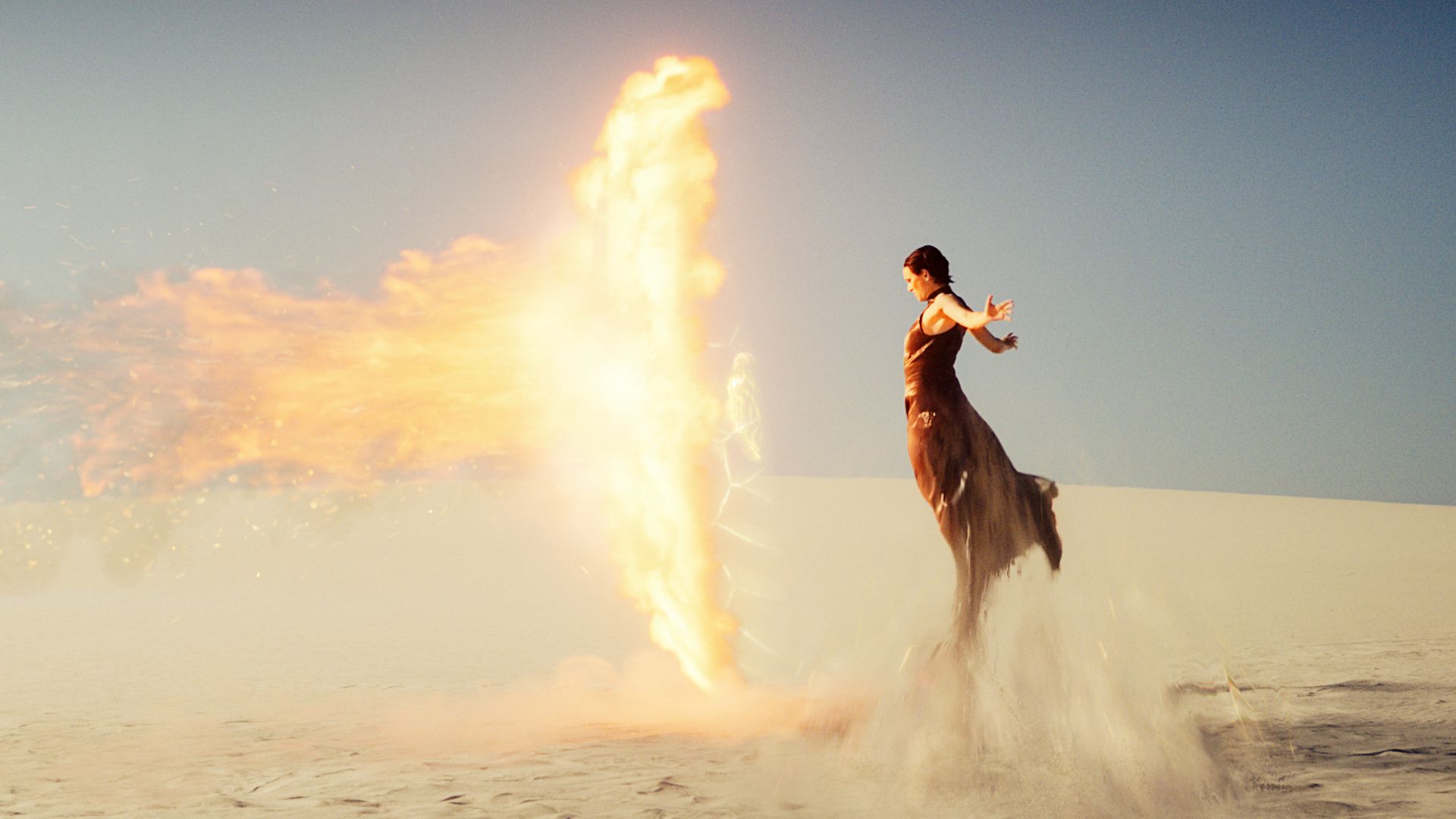
The Wheel of Time shares DNA with both The Lord of the Rings and The Witcher. Like The Lord of the Rings, the story begins with a protagonist from a small and peaceful place, who flees and encounters immense armies and terrifying monsters under the control of a Dark Lord. All three seasons of The Wheel of Time are visually similar to The Witcher, with high-budget cinematography and elaborate costume design. That said, these were not enough to save the show, and The Wheel of Time was canceled.
When first announced, The Wheel of Time looked set to be Prime Video’s flagship fantasy TV series, but while the show pleased critics and grew on audiences after a comparatively mediocre first season, Prime Video canceled The Wheel of Time after three seasons. Deadline reported that there had been “lengthy deliberation” over the fate of the series, but that the show was canceled for financial reasons as the viewership figures did not justify the high budget.
Some TV shows need time to find their audience, especially ones that have unusual premises, and this has led to many great fantasy TV shows being canceled too soon. However, The Wheel of Time had not been popular with fans of Robert Jordan’s original book series of the same name, and had simply not attracted enough viewers over the three seasons despite being nominated for a Saturn Award. Still, there is hope for The Wheel of Time, which is getting another chance to find its audience and redeem itself in the opinions of the books’ fanbase.
As there are currently 14 published books in The Wheel of Time series, there is a lot of potential for the story returning to screens. It may please fans to know that creators are not giving up on The Wheel of Time, with projects in the works that include an animated TV show, a series of feature films, and a video game. The fact that Thomas Vu, producer of the Arcane TV series, is working on the animated series is an extremely positive sign, as Arcane was a critical and audience triumph with a perfect 100% Rotten Tomatoes rating.
Vu’s projects are separate from the feature films, and his excitement about the projects he is working on is clear, telling Variety that “the depth of the mythology provides a foundation for sustained, multi-platform franchise growth.” With the franchise far from over and in new hands, with a creative team who will have a fresh take on how to adapt the story, The Wheel of Time may get several more chances to capture the spirit of the epic source material.
The Wheel of Time ](/db/tv-show/the-wheel-of-time/)
](/tag/adventure/)
](/tag/fantasy/)
2021 - 2025-00-00
Sanaa Hamri, Ciaran Donnelly, Salli Richardson-Whitfield, Thomas Napper, Maja Vrvilo, Wayne Che Yip