Published Jun 7, 2026, 7:46 PM EDT
Rohan Naahar is a News Writer for Collider. From Francois Ozon to David Fincher, he’ll watch anything once. He has covered everything from Marvel to the Oscars, and Marvel at the Oscars. He also writes obsessively about the box office, charting the many hits and misses that are released weekly, and how their commercial performance shapes public perception. In his time at Collider, he has also helped drive diversity by writing stories about the multiple Indian film industries, with a goal of introducing audiences to a whole new world of cinema.
The phenomenal success of director Curry Barker’s Obsession seems to have fueled an online debate about** whom the “real” villain of the movie is. **The answer is obvious, of course, but people enjoy arguing with each other. A similar back-and-forth erupted, to a much lesser degree, exactly a decade ago. The discourse that time revolved around the same idea: consent, and the movie’s questionable understanding of it. While Obsession makes it quite clear that the male protagonist is, in fact, evil, the 2016 movie wasn’t as confident about labeling its own hero as the creep that he was. And that’s primarily why certain members of the audience took offense to it. The movie in question was a massive box-office hit that cost $150 million to produce, but here’s the kicker: it might eventually be overtaken by the tiny-budget Obsession.
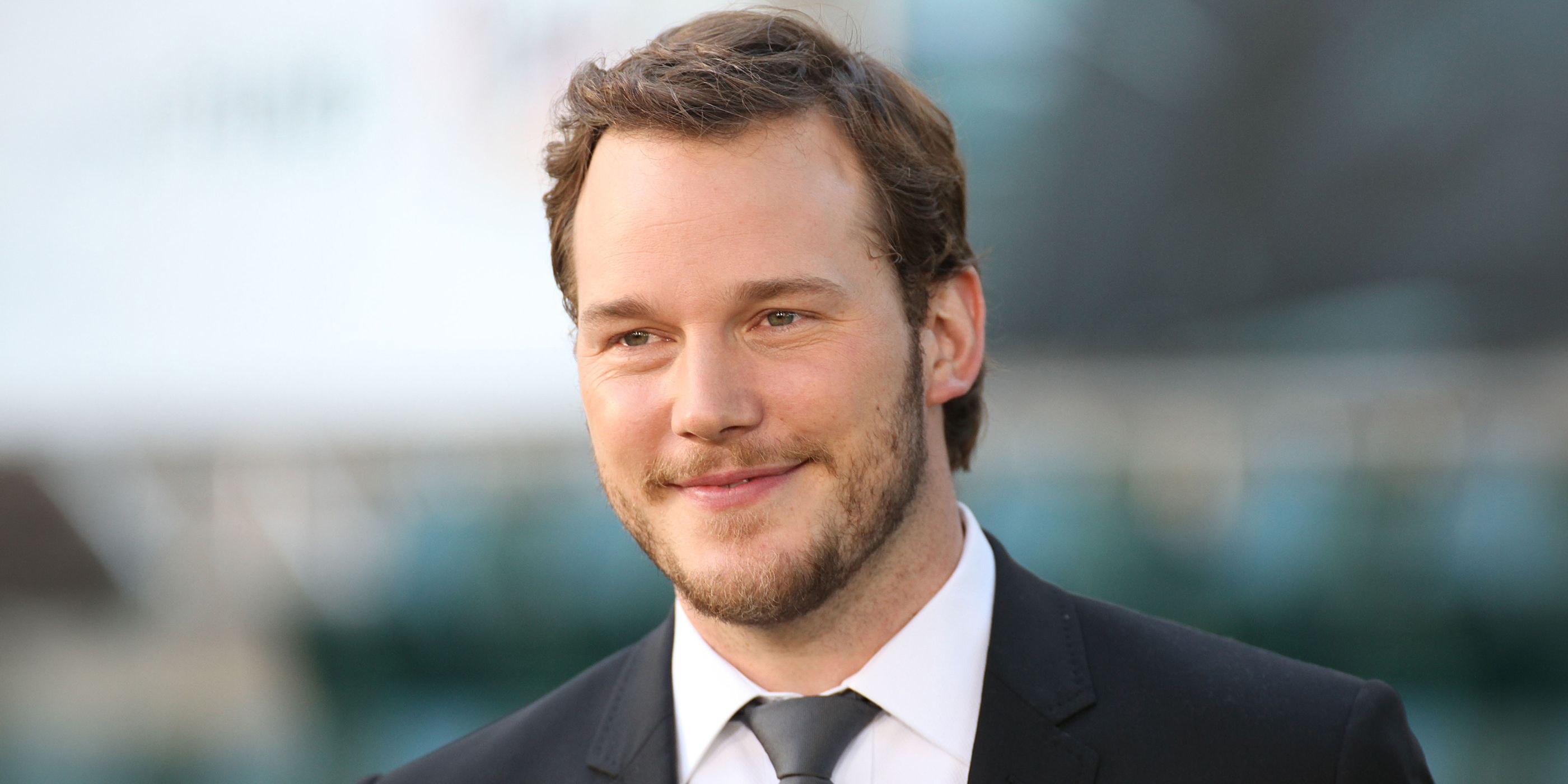
We’re talking about the sci-fi romance drama Passengers, starring peak-of-their-careers **Chris Pratt **and Jennifer Lawrence. They played space travelers on a decades-long journey to a distant planet, when one of them is accidentally awakened with 90 years left. Doomed to die alone aboard the spacecraft while the rest of his fellow travelers continue hibernating, **Pratt’s character decides to awaken another passenger (Lawrence) for company. **She just happens to look like the biggest starlet Hollywood has seen in years. Of course, audiences were outraged at the lack of consent and the movie’s perceived ignorance of its protagonists’ missteps. Passengers was a hit, nonetheless.
Your answers point to the world your instincts were built for. This is the universe your temperament, your survival instincts, and your particular brand of stubbornness were made for.
You took the red pill a long time ago — probably before anyone offered it to you. You’re a systems thinker who can’t help but notice the seams in things.
The wasteland doesn’t reward the clever or the well-connected — it rewards those who are hard to kill and harder to break. That’s you.
You’d survive here because you know how to exist in moral grey areas without losing yourself completely.
Arrakis is the most hostile environment in the known universe — and you are precisely the kind of person it rewards.
The galaxy far, far away is vast, loud, and in a constant state of violent political upheaval — and you wouldn’t have it any other way.
Directed by Morten Tyldum, it grossed more than $300 million worldwide — a benchmark that Obsession, with its $750,000 budget, is poised to eventually pass. Unlike the new horror sensation, which holds a “Certified Fresh” 95% score on the aggregator website Rotten Tomatoes, Passengers was mostly panned. It’s now sitting at a 30% score on the aggregator, where the consensus reads, “Passengers proves Chris Pratt and Jennifer Lawrence work well together — and that even their chemistry isn’t enough to overcome a fatally flawed story.” One critic described the movie as “a creepy ode to manipulation,” while another called it an “interstellar version of social-media stalking”. Lawrence later expressed regret about having done the movie. “**Adele **told me not to do it! She was like, ‘I feel like space movies are the new vampire movies.’ I should have listened to her,” she told The New York Times in 2022. You can find out what the fuss is about yourself; Passengers is streaming for free this month on Tubi. Stay tuned to Collider for more updates.
](/tag/romance/)
Science Fiction
](/tag/science-fiction/)
Neal H. Moritz, Ori Marmur, Stephen Hamel, Michael Maher