The sci-fi genre has been a staple of fictional storytelling for over 200 years. So when television became mainstream with the public, it didn’t take long for sci-fi programming to start being made. Now there’s a sizable lineup of the best sci-fi TV shows, but not all of them have been given equal opportunity to shine.
Some of these series had long, impressive runs, like The X-Files and Stargate SG-1. Others, although they didn’t receive as many seasons, at least were given enough time to tell compelling stories and end without any major loose ends or cliffhangers, like Battlestar Galactica and 12 Monkeys.
Then there are epic sci-fi shows that, despite earning positive critical reception, weren’t given enough seasons. Whether that was due to simple cancelation or other circumstances, these are the shows that deserved more time to grow their audiences and close their narratives on more positive and memorable notes.
This criminally underseen cyberpunk thriller series turned the clock back in the Battlestar Galactica revival universe to explore how the Cylons of the 12 Colonies of Kobol were created. Like its predecessor, Caprica earned positive critical reception, but Syfy canceled the show after just one season. It’s a shame considering that the final set up some intriguing plot threads for a second season to delve into, and it even originally ended with a ‘To be continued’ tag.
That included Zoe Graystone being downloaded into a “skin job” body, and an adolescent William Adama (named after his deceased brother) being introduced. With more seasons, Caprica could have effectively presented the Cylons rebelling against humanity, leading to the First Cylon War, which was depicted in the Battlestar Galactica: Razor flashbacks and the web series Battlestar Galactica: Blood and Chrome.
With 98 episodes across four seasons, Star Trek: Enterprise lasted longer than most TV shows do. However, the prequel that followed the voyages of the Enterprise NX-01 crew 100 years before the events of The Original Series did not end on a good note. Far from it, as the Enterprise series finale earned predominantly negative critical reception.
“These Are The Voyages…” criticism ranged from how Trip Tucker’s death was handled to The Next Generation’s William Riker and Deanna Troi drawing attention away from the main characters. Enterprise deserved a better ending, which is why it would have been wiser to keep the show going for at least one more season. That way, the show’s writers would have been able to craft a more befitting ending for these characters.
It’s hard not to think about short-lived sci-fi shows without Firefly coming to mind. Fox famously canceled it after 11 of the produced 14 episodes aired. The fan outcry over this decision, as well as the impressive DVD sales for the complete series, resulted in 2005’s Serenity being made to wrap up loose ends. There’s also an animated Firefly TV series in development.
Yet, in an ideal world, Firefly in its original form would have had a run comparable to what fellow Fox hits like 24 and House received. This show built a passionate fanbase in such a short time, so if it had continued for multiple seasons, it likely would be more recognizable to the public all these years later. While it’s good that the Firefly brand has stayed strong, it could have been even stronger had the original show been given more time to draw in viewers.
Sliders had a harder time staying on the air than most shows. After three seasons on Fox, the series that followed a group of protagonists who “slide” (i.e. travel) to parallel universes was canceled. Usually, that would be the end of the story, but the then-Sci-Fi Channel picked up the underrated Sliders for two more seasons. The tradeoff was that this extension resulted in one of the most frustrating cliffhanger endings for a sci-fi series.
Fans were left without any resolution to Rembrandt injecting himself with that Kromaggs-killing virus, then jumping through a portal to Earth Prime. Even with all its casting change-ups and behind-the-scenes troubles, Sliders deserved more than this abrupt ending. Even if a sixth season contained fewer episodes, at least there would have been a little extra time to wrap up this multiverse-spanning saga.
Before he played Captain Jonathan Archer on Star Trek: Enterprise, Scott Bakula entertained sci-fi enthusiasts as Sam Beckett in Quantum Leap. For five seasons, Sam “leaped” into numerous people’s bodies across various past time periods. Each trip was meant to bring Sam one step closer to returning home, yet Quantum Leap’s final episode ended with a title card saying this never happened.
The show’s unique format meant it could have easily kept going for more seasons. At the very least, though, NBC should have ordered a sixth season so that Sam would have received his happy ending. Then there wouldn’t have been a need for the Quantum Leap revival, which admirably attempted to continue its predecessor’s storyline without Bakula involved, but was canceled after just two seasons.
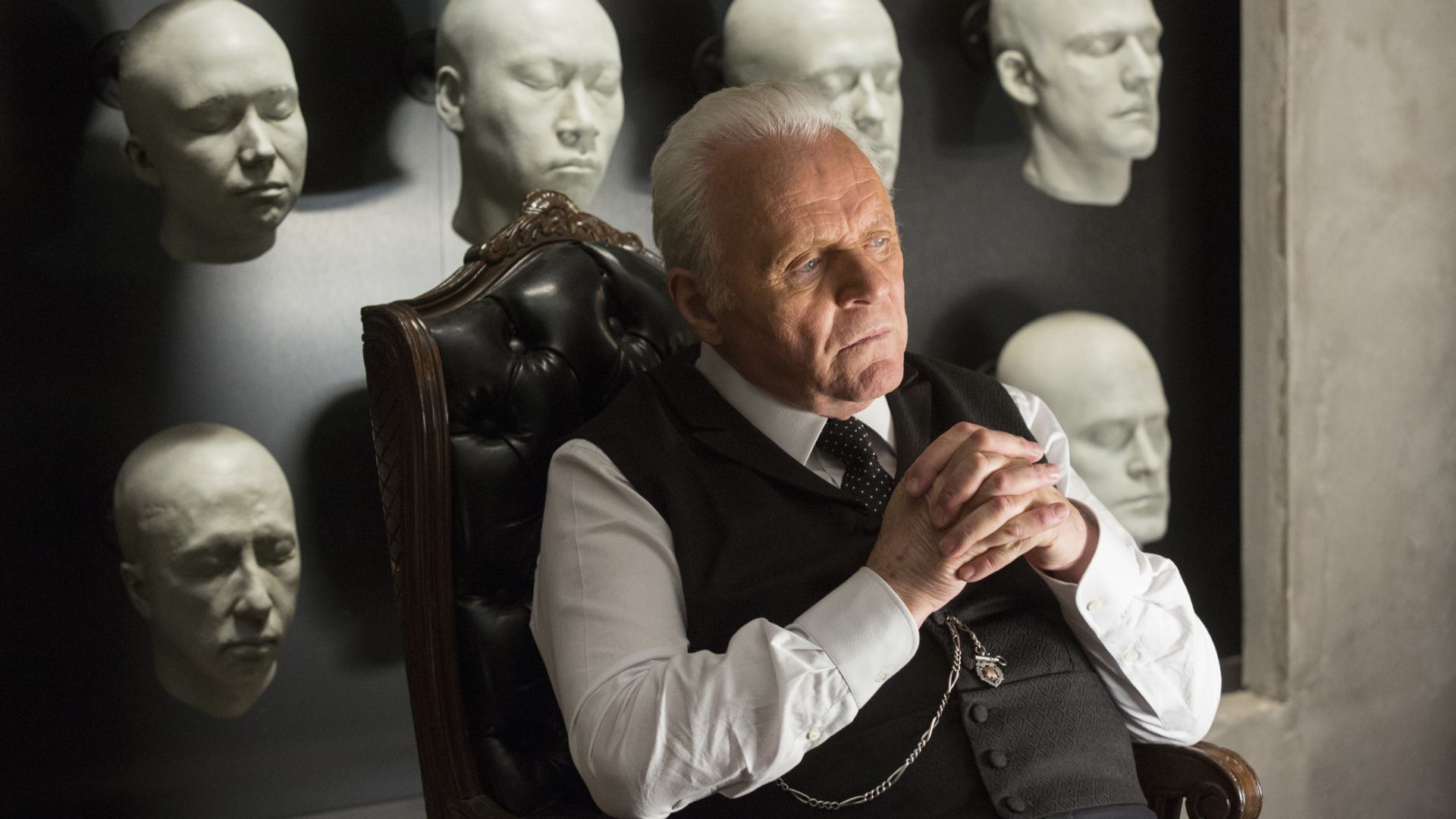
Based on the same-named 1973 movie written and directed by Michael Crichton, HBO’s Westworld put a new spin on the core story of amusement parks boasting android “hosts” as the main attraction. This reboot received numerous accolades over its run, including nine Emmy wins out of 54 nominations.
HBO’s Westworld, which was a massive hit for the network throughout its run, has disappeared from HBO Max just in time for an anticipated film reboot.
Despite the lavish praise, HBO ultimately canceled Westworld after four seasons, as well as removed it from HBO Max. This is yet another example of a show that ended before it came to a proper conclusion. Dolores was last seen recreating the original Westworld park inside the Sublime, and it would have been great to see how the final product turned out in the fifth season. Granted, Warner Bros. is currently developing a Westworld reboot in the form of a movie.
Humans, one of the top sci-fi shows of the last 20 years, followed the psychological, societal, and cultural impact of humanoid robots called “synths” introduced into everyday life. Exchanging bombastic action with quiet introspection, it was a cerebral treat that offered some of the deepest television exploration of artificial intelligence, the laws of robotics, and other sci-fi themes.
The show aired 24 episodes across three seasons, and for the most part, it delivered a fairly conclusive ending. However, it would have been better if the world of Humans had continued to be fleshed out. Television that’s equal parts entertaining and intelligent doesn’t come around often, and this series rests comfortably in that exclusive club. If only it had lasted longer.
Unlike Stargate SG-1 with its follow-up movies and Stargate Atlantis with its serviceable-enough series finale, Stargate Universe never received a proper conclusion. All of Destiny’s crew except for Eli were put into stasis in order to preserve the ship’s life support and supplies. Making matters worse, he only had two weeks left to fix the damaged stasis pod before life support died.
Looking past the cliffhanger ending, Stargate Universe was a breath of fresh air for the Stargate franchise, focusing on space travel over the titular portal technology. It’s a premise that could have easily lasted as long as Atlantis, if not SG-1. Without any proper resolution for these characters, hopefully, the new Stargate TV show in development will acknowledge what happened to them.
Though the Terminator movie series has had more misses than hits since 1991’s Terminator 2: Judgment Day, the franchise has done remarkably well for itself on the TV front. Along with the Netflix anime series Terminator Zero, Terminator: The Sarah Connor Chronicles also earned positive critical reception during its two-season run.
Given how this franchise thrives on different timelines, The Sarah Connor Chronicles had nearly unlimited freedom to chart a new course for its versions of John and Sarah Connor. Had the series been able to run for more seasons, perhaps that would have helped make Terminator a more popular IP these days. It just needed more time to grow.
For two seasons, J.K. Simmons starred as two different versions of the lead character, Howard Silk, in Counterpart. The series was one of the most gripping explorations of parallel Earths, with one version of Howard being an unassuming office drone, and the other being a ruthless intelligence operative. It was fascinating to learn the various ways that the Alpha world, a.k.a. “our” Earth, differed from the Prime world.
Though attempts were made to set Counterpart up on a different channel after Starz canceled it, they were unsuccessful. It’s unfortunate, as Simmons excelled with his dual performances, and the mythology established was rich and layered. Had Counterpart returned for season 3 and potentially beyond, perhaps it would have collected more viewers and become one of the cable channel’s flagship shows.