Dystopian science fiction is having a moment right now, and it may be because we’re descending into our very own dystopian sci-fi hellscape in real life. Charlie Brooker’s Black Mirror became a global sensation with its Twilight Zone-like cautionary tales about the dangers of modern technologies, but some of the show’s most chilling technological predictions have come true just a decade after they first aired.
Severance’s satirical sci-fi allegory for an unhealthy work-life balance struck a chord with overworked, underpaid post-COVID audiences. Pluribus’ portrayal of a benevolent body-snatching alien race highlighted humanity’s self-destructive tendencies.
One of the most dystopian things about our current reality is the proliferation of dating apps. Romance has been uploaded to the internet. Fewer and fewer couples are having a romcom-style meet-cute in a bookstore; most couples these days meet while mindlessly scrolling through the apps, bathed in ghoulish LED light, callously swiping left and right on carefully curated online profiles, window-shopping for a soulmate.
Sci-fi writers have had a field day with the uneasy marriage of love and the internet. Spike Jonze’s Her told a beautiful story about loneliness through the story of a man falling in love with an A.I. chatbot. Soulmates and its movie spinoff All of You take place in a near-future where a company named Soul Connex has developed a soulless test that takes all the guesswork out of romance. No one needs to go on dates anymore, because the test hands them the love of their life on a silver platter.
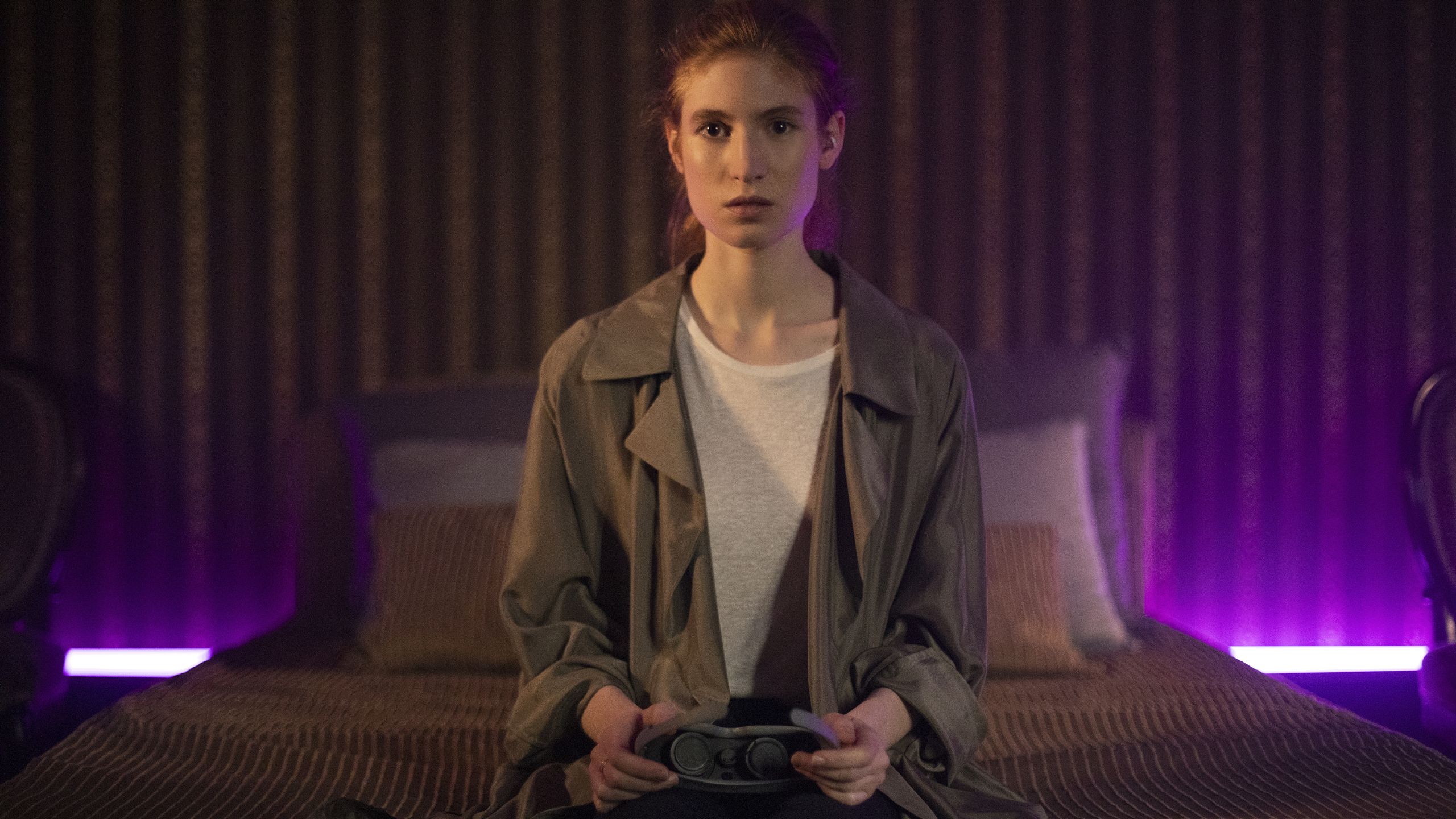
Netflix has its own dystopian sci-fi drama about a futuristic dating app. Released in 2019, Osmosis is an eight-episode French-produced Netflix original set in a near-future Paris where the titular dating app goes digging around in its users’ brains to figure out who their perfect match would be (and yes, it’s as terrifying as it sounds).
Osmosis was created by Audrey Fouché as a mix of sci-fi, romance, and good old-fashioned drama. In 2017, Netflix ordered a first season consisting of eight episodes, for which Fouché was the showrunner, and in 2019, it finally premiered on the streaming service. When season 1 was over, Fouché departed as showrunner, so Netflix would’ve had to find a new showrunner to helm a potential second season. But in the end, the viewership didn’t justify a season 2 renewal, and the streamer cancelled the show after one season anyway.
But that one season is still worth checking out; it’s still great television. The titular MacGuffin is a brilliant dramatic device, because it takes the core concept of a dating app to its absolute extreme. A dating app is essentially a digital matchmaker, using algorithms and keywords to determine the romantic compatibility of two random human beings who have never met, and Osmosis does exactly that, just in a much more invasive way. Using a brain implant, Osmosis analyzes its users’ thoughts and desires to determine who their perfect partner would be.
It combines the tech-savvy cautionary tales of Black Mirror with the dark anti-romantic thrills of You. Hugo Becker stars as Paul Vanhove, the CEO of Osmosis who becomes the first person to test the implant that searches your brain for your optimal romantic partner. Agathe Bonitzer plays Paul’s sister, Esther Vanhove, the technical mastermind behind the creation of Osmosis.
Although it earned a perfect 100% Rotten Tomatoes score, Osmosis remains sadly underrated. It’s just as smart and subversive as fellow foreign-language sci-fi thriller Dark, but it didn’t break out internationally like that show did. It deals with a lot of the same themes as Black Mirror, but in a much subtler and more nuanced way. Osmosis should’ve been much, much bigger.
](/db/tv-show/osmosis/)
](/tag/romance/)
Science Fiction
](/tag/sci-fi/)
Pierre Aknine, Mona Achache