Amanda M. Castro is a Network TV writer at Collider and a New York–based journalist whose work has appeared in Newsweek, where she contributes as a Live Blog Editor, and The U.S. Sun, where she previously served as a Senior Consumer Reporter.
She specializes in network television coverage, delivering sharp, thoughtful analysis of long-running procedural hits and ambitious new dramas across broadcast TV. At Collider, Amanda explores character arcs, storytelling trends, and the cultural impact of network series that keep audiences tuning in week after week.
Born and raised in Puerto Rico, Amanda is bilingual and holds a degree in Communication, Film, and Media Studies from the University of New Haven.
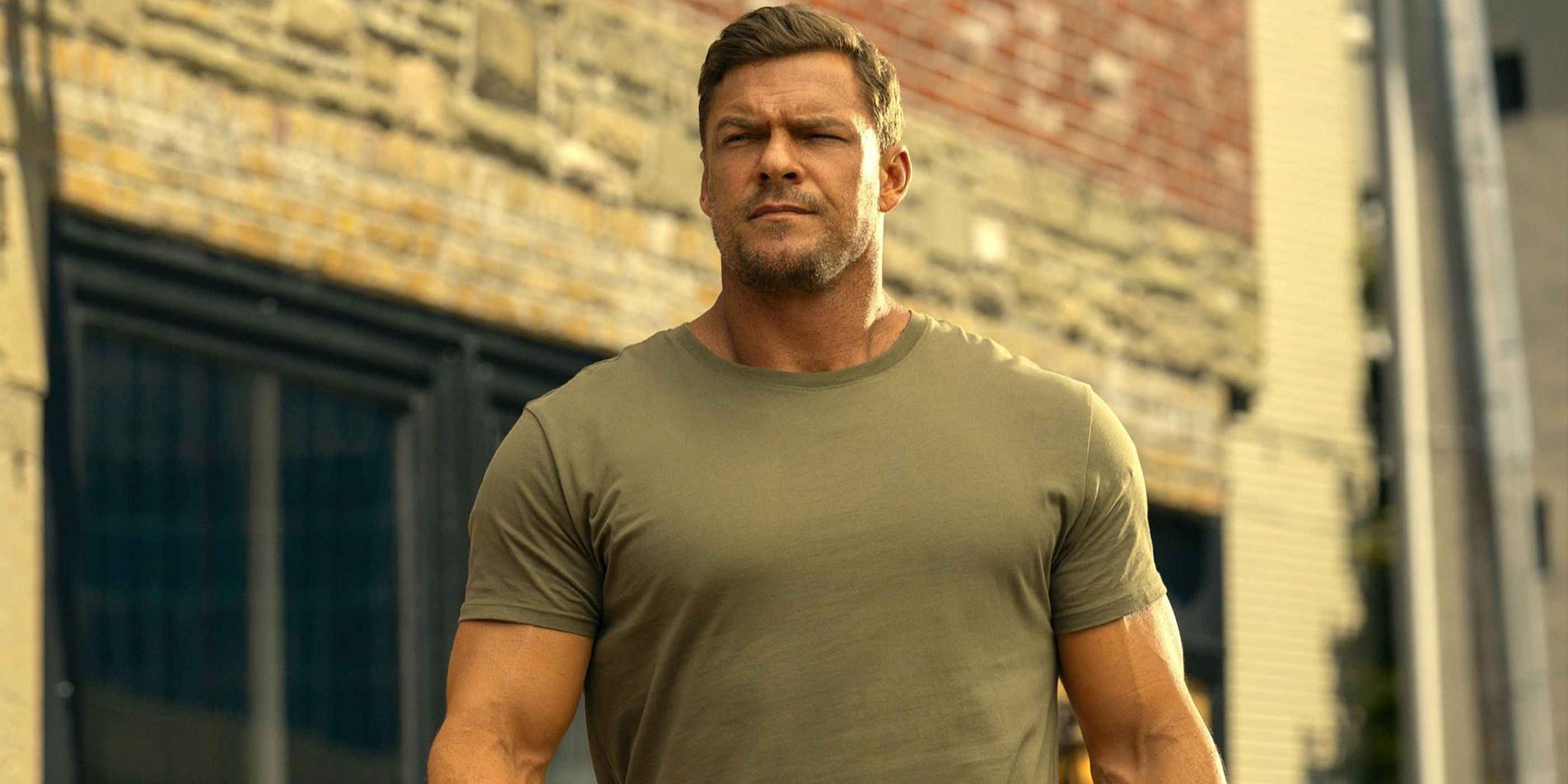
One of the smartest things Reacher has done is to realize that the character’s appeal was never just the fights. Absolutely, people want to see Alan Ritchson throw people against walls, but the program has succeeded because it knows and understands what makes Jack Reacher fun in the first place — he is a drifter who keeps strolling into places occupied by bad people who think themselves safe. Each season presents him in an entirely new turmoil or predicament and follows him as he unravels yet another layer of corruption before bulldozing his way past the entire scenario. That’s why Worth Dying For feels like such an obvious choice to adapt for Season 5.
With Season 4 already set to adapt Gone Tomorrow, Prime Video has a chance to follow it up with one of Lee Child’s nastiest small-town stories. Worth Dying For strips the formula down to its essentials: an isolated Nebraska town, a family that’s been terrorizing the community for years, and Reacher showing up at exactly the wrong time for all of them. It’s leaner, meaner, and more vicious than some of the series’ bigger conspiracy-driven stories, which is exactly what could make it such a strong fit for the show.
One of the smartest things the series has done so far is resist the temptation to overcomplicate itself. Season 1 worked because Margrave felt rotten to its core and Reacher was tearing open a local conspiracy that infected every corner of a town. Even Season 3’s Persuader adaptation worked best when it narrowed its focus and trapped Reacher deep inside enemy territory.
Worth Dying For pushes that formula even further as the novel begins with Reacher stranded in rural Nebraska after the events of 61 Hours; he listens outside a motel room while a doctor refuses to help an abused woman. Reacher gets involved in a situation that everyone else in the community has learned to ignore. His decision to help the woman also leads him into the discovery of the woman’s decades-old disappearance, a trucking company that uses intimidation tactics to keep control of it, as well as an extensive human trafficking network that has gone on undetected for years due to its immense secrecy and fear-based influence.
It’s ugly material, and even longtime readers often describe the Duncans as some of the most disgusting villains in the entire series. But that darkness is exactly what could make the adaptation so effective. The best Reacher seasons understand that the action only works when the audience genuinely wants to see these people get destroyed, and Worth Dying For practically builds itself around that idea.
Your instincts, your strengths, and your particular way of thinking under pressure point to one villain you actually have a fighting chance against. Everyone else — good luck.
Jason is relentless, but he is also predictable — and that is the gap you would exploit.
Michael watches before he moves. He is patient, methodical, and almost impossible to detect — until it’s too late for anyone who isn’t paying close enough attention.
Freddy wins by getting inside your head — using your own fears, your own memories, your own subconscious as weapons against you. That strategy requires a target who can be destabilised.
Pennywise is ancient, shapeshifting, and feeds on terror — but it has one critical vulnerability: it cannot function against someone who genuinely stops being afraid of it.
Chucky’s greatest advantage is that nobody takes him seriously until it’s already too late. He exploits the gap between how something looks and what it actually is.
Ritchson’s version of Reacher is part of why Season 2 divided fans. The team dynamic was fun, but it pulled focus away from what makes the character compelling in the first place: watching one impossibly competent man dismantle systems of power by himself.
For most of Worth Dying For, Reacher is exhausted, injured, and badly outnumbered. Since it follows 61 Hours directly, it leaves him physically wrecked before the real violence even begins. It strips away some of his invincibility without making him feel weak.
The novel is packed with hand-to-hand combat, brutal ambushes, and extended sequences in which Reacher systematically dismantles groups of enforcers who vastly overestimate their abilities. More importantly, it fits the show’s strengths perfectly. Prime Video’s adaptation has never tried to reinvent the character. It succeeds because it understands the appeal of watching a six-foot-five giant walk into a room full of terrible people and calmly decide they’re done for.
There’s one major reason Prime Video might hesitate to adapt the book: it’s brutal. Child himself has admitted that some Reacher novels are difficult to adapt, either because of production logistics or because of their tone. 61 Hours, for example, may never happen because of its snow-heavy setting.
The story’s human trafficking plotline is significantly darker than anything the series has tackled so far. Even Persuader, which dealt with abuse and arms trafficking, softened some of the harsher edges from the novel. Worth Dying For would force the show to decide just how grim it wants to get.
Reacher no longer has to be cautious about the direction he takes his character, as the show has already gained a solid fan base that follows Ritchson for all the right reasons (i.e., great pacing, great action in each episode, and great bad guys). Adapting Worth Dying For would allow the show to present its rawest version to date without losing what helped build the audience’s connection to the story and the actors. The novel contains a lot of action and violence, but it also taps into the core understanding that all the best Reacher stories share. These are stories about people who got away with terrible things for far too long — until the wrong drifter wandered into town.
](/tag/reacher/)
](/tag/action/)
](/tag/thriller/)