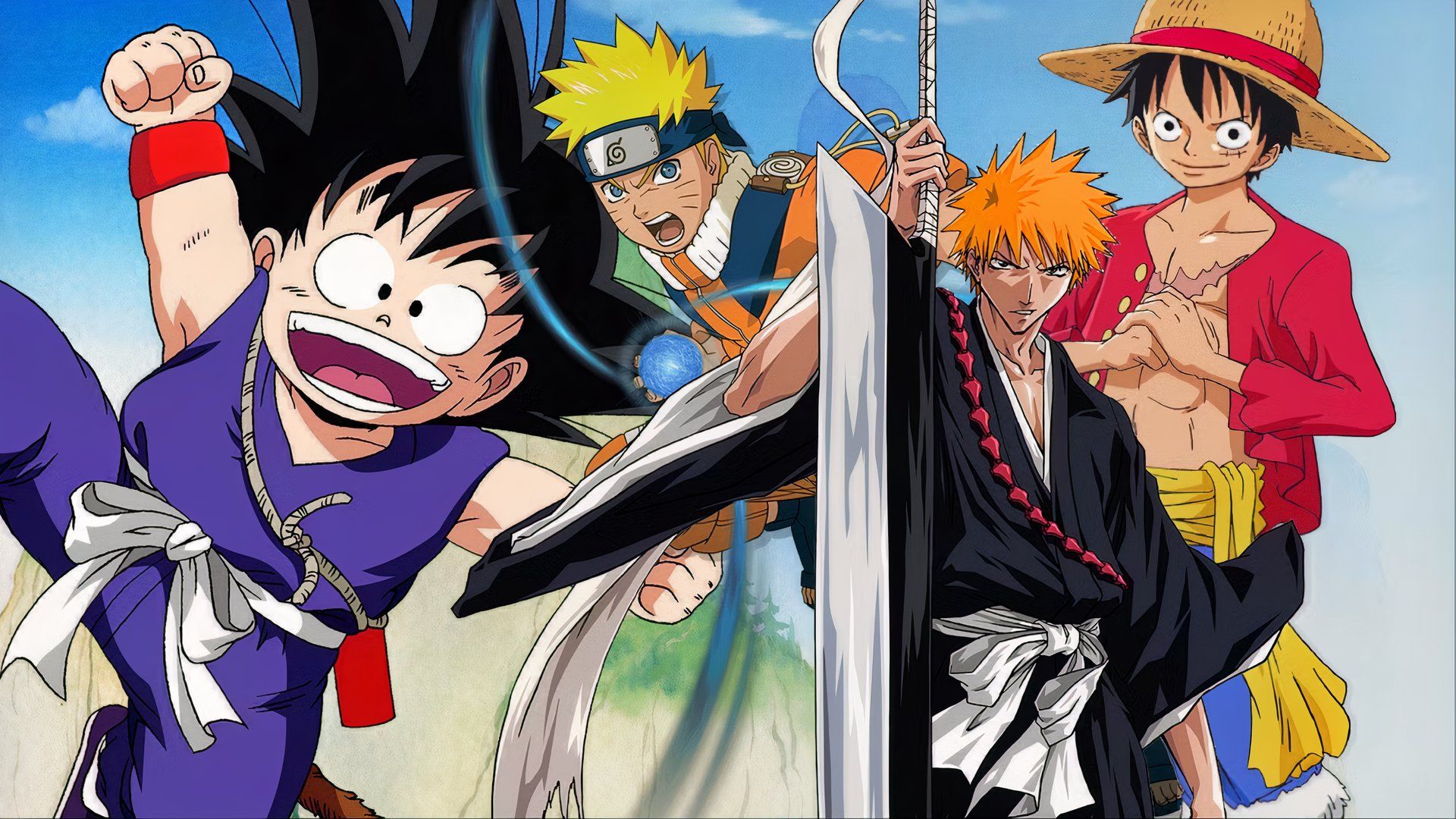
For the first time since 2012, anime’s original Big Three are all releasing new content in the same year. In 2026, One Piece kicks off its long-awaited Elbaf arc on April 5, Bleach: Thousand-Year Blood War prepares for its final part in July, while Naruto drops four special episodes later in the year
But with these announcements and releases comes the glaringly obvious question: do these series still sit at the heart of anime culture, or have they become symbols of a time that newer fans never really lived through? The buzz around this reunion carries more warmth from the past than excitement for the present.
As a result, this piece looks at the upcoming 2026 reunion of Naruto, One Piece, and *Bleach *while questioning their status as former heavyweights in today’s anime landscape. They draw real respect and nostalgia from followers, but the true driving force in anime today seems to lie with fresher stories.
In the late 2000s and early 2010s, continuous relevancy and legacy in the anime economy demanded real persistence. Streaming options stayed scarce or absent in many regions, so legal viewing usually required buying DVDs or chasing unreliable local releases.
Most discovery happened through fansub teams, lengthy forum threads, and word-of-mouth recommendations from fellow viewers. In those narrower conditions, *Naruto, One Piece, *and Bleach rose as dominant forces, largely due to each’s abundant viewing volume. They carried anime well beyond its core enthusiasts and opened the door for a full generation.
Between the trio, these series went beyond simple storytelling. They operated at once as entryways, community foundations, and lasting cultural touchstones. For millions of Western fans, especially millennials coming of age as broadband arrived and forums grew active, following anime meant fully committing to their vast, ongoing adventures.
10 Best Anime Influences on Western Pop Culture ](/best-anime-influences-western-pop-culture/)
Japanese animation has broken through barriers to become a global sensation, influencing Western pop culture in many aspects.
Weekly episodes built shared habits of waiting, debating outcomes, and exchanging theories that crossed borders and forged stronger online connections. The long-form narratives created deep emotional attachment and steady loyalty.
When choices stayed few and rivals remained thin on the ground, the Big Three did not simply guide discussions. They defined the entire framework, supplying the emotional language, character models, and group customs that slowly changed anime from a specialized hobby into a true worldwide presence.
As of this year, 2026, the anime industry has grown into a fast-moving and crowded space. Global streaming services, smart recommendation systems, and the rapid spread of content on social media allow fresh titles to gain wide attention in a matter of weeks rather than years. This change has made anime easier for more people to access while sharpening the competition.
Viewership numbers clearly show the depth of this change. Solo Leveling stands as Crunchyroll’s most-watched series ever, with its mix of rapid power growth, intense battles, and roots in manhwa striking a strong chord with today’s viewers and breaking earlier records for total views and active engagement.
Arcs from Demon Slayer continue to post strong numbers across platforms, including high Netflix rankings that place several seasons among the service’s top anime. Series like Jujutsu Kaisen and Frieren: Beyond Journey’s End hold steady places in trending talks and draw younger crowds active on TikTok and Discord, where short clips and group conversations spread easily.
This shift has created a clear divide in the fandom. Millennials, now mostly in their late twenties and thirties, often view the Big Three reunion through memories of their early days with anime. Meanwhile, the fans shaping current rankings, producing content, and keeping daily buzz alive turn mainly toward recent releases.
Raised with abundant options, they lean toward faster pacing, higher animation quality, and fresh storytelling approaches, including many manhwa adaptations that have broadened and altered older ideas of what constitutes shonen or anime in general. In the end, anime’s main focus has spread well beyond any single one of the three.
The 2026 releases from the Big Three make one thing clear: there is now a gap between what these series were built for and where they currently stand in the anime world. Their past work is beyond question. They brought anime to the world, showed that long-running stories could thrive, and helped lay the groundwork for the communities that still hold the industry together.
But with many options, old achievements alone no longer keep them at the center of attention. Bleach offers a case of an older shonen series winning back attention. The improved animation, smoother fight scenes, and careful balance between staying true to the manga and matching modern pacing have earned solid praise from critics.
Many of its individual courses end up ranking among the highest-rated seasons of the year. This shows that real effort in production values and meeting current audience expectations can spark fresh interest, rather than relying only on nostalgia.
Even so, the larger view shows there are clear limits to any full return to the top. One Piece draws support from its current arc and from the live-action version, which continues to perform well on Netflix. Season 2 opened with 16.8 million views in its first four days and reached 136.2 million hours watched overall.
One Piece Debuts Its Biggest Anime Arc of All Time in New Trailer: Watch ](/one-piece-anime-season-2-elbaph-trailer-jump-festa-2026/)
Luffy and the Straw Hats barely got out of the Egghead Arc, but now their adventure takes them to the land of the Giants.
*Naruto’s *anniversary specials will please longtime fans without doubt. Yet these projects move at a familiar, steady rhythm that feels quite unlike the fast, explosive rises seen in newer hits such as Solo Leveling or Demon Slayer. The Egghead arc brings in its loyal viewers, but the streaming numbers remain modest compared to the breakout figures of recent series.
These days, the anime world has spread out into something richer. There are numerous streaming platforms, and virality on social media every other week, and people’s tastes are changing faster than ever. The spotlight doesn’t stick to just a few big names like it used to.
Younger fans, especially those not consumed by nostalgia, tend to pick newer series that give them exactly what they’re after right now: stories that don’t drag or have filler, visuals that actually look sharp and modern, and fresh plots that keep surprising viewers rather than playing it safe.
The Big Three are seen as the solid base that helped hold anime together in the first place, and when they come on, they always manage to bring in the people who’ve stuck with them from the start. This 2026 comeback means something. Not a realignment at the top of the anime chain, most certainly.
It’s more like a full-circle moment, reminding everyone how widespread anime has become and how the shonen genre has evolved. The old shonen heart is still running right alongside the new wave of anime, and its touch is still there in the background, quietly influencing the way these fresh faces step up and steal the show.
](/tag/shonen-jump/)
Takashi Isono, Kazuhiko Torishima
First TV Show
Latest TV Show
Current Series
Jujutsu Kaisen, My Hero Academia, Kaiju No. 8
One Piece, Naruto, Naruto: Shippuden, Dragon Ball, Dragon Ball Z, Bleach, My Hero Academia, Demon Slayer: Kimetsu no Yaiba, Jujutsu Kaisen, Hunter x Hunter, Hunter x Hunter, JoJo Bizarre Adventure, Death Note, Yu Yu Hakusho: Eizou Hakusho, Black Clover, Dr. Stone, Haikyuu!!, The Promised Neverland, Food Wars!: Shokugeki No Soma, Kuroko’s Basketball, Tokyo Ghoul, Toriko
Dragon Ball: Curse of the Blood Rubies