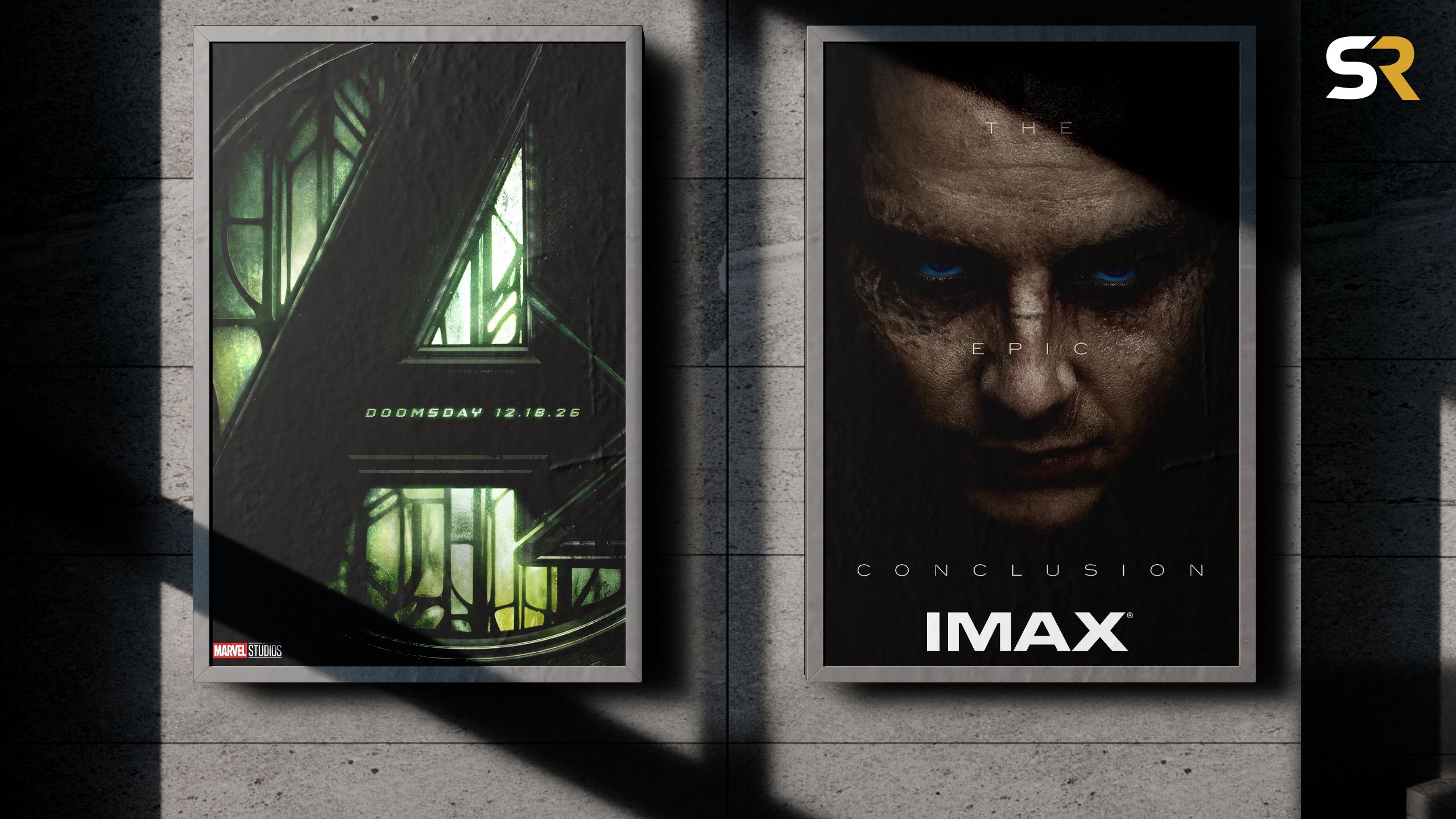
Hollywood is preparing for a surprising box office standoff. Avengers: Doomsday and Dune: Part Three, two of the most-anticipated movies of 2026, are both scheduled to release in theaters on December 18. Blockbusters usually avoid each other like the plague, especially when they risk cannibalizing each other’s audiences as much as these two films do, and the assumption for almost a year now has been that one of them would move. Given the track record of the Avengers movies, Dune shifting to a different date seemed most likely. But the months ticked by, and neither film budged.
Now, we know why. Along with the release of the first *Dune 3 *trailer came the news that Denis Villeneuve’s trilogy-capper had sewn up IMAX exclusivity for its initial release, as a result of being partially filmed with their cameras. Avengers: Doomsday was removed from IMAX’s expected 2026 movie slate, except in select international markets. Post-Oppenheimer, this loss of premium screens seems like a huge blow for Marvel. It might even encourage them to back down and move Doomsday, perhaps to the December 11 slot that Jumanji 4 just vacated.
But is IMAX really a deciding factor in this “Dunesday” box office battle?
To start, let’s get one thing straight: IMAX or no, Avengers: Doomsday is definitely the bigger fish.
Tracking data from Greenlight Analytics, which conducts regular surveys to gauge awareness and interest in upcoming releases, has *Avengers: Doomsday *ahead of Dune: Part 3 by every metric. The former leads the latter in Awareness 45% to 41%, and is polling much further ahead in Interest, with 57% to Dune’s 41%. 50% of respondents said they intended to see Doomsday in a theater, vs. 38% for Dune 3.
Over the next few months, as marketing campaigns do their job, these scores will change. It’s worth noting that these most recent surveys were conducted well after the Avengers marketing began, but before Dune: Part 3’s recent trailer release, so the gap could be narrower than it currently looks. But Greenlight’s data suggests Doomsday is performing more strongly with younger audiences and achieving more of a gender balance, while Dune currently skews more male. It’s clear that Doomsday has the upper hand in a box office head-to-head, at least at this stage.
These scores could explain why both Disney and Warner Bros. are refusing to abandon this release date. Doomsday appears poised to perform well no matter what, so there’s less incentive to move away from an especially lucrative window. Not only has this pre-holidays slot launched the two *Avatar *sequels, but Spider-Man: No Way Home opened there on its way to earning nearly $2 billion globally. Marvel is clearly eager to return to that well; Avengers: Secret Wars is scheduled for the same window in 2027.
Dune: Part 3, meanwhile, relies on the intensity of its audience, rather than its size. In that context, an IMAX exclusivity period could become very important: The more its tickets are sold at premium pricing, the more likely it becomes a big hit off a smaller percentage of the overall audience. Changing release dates could cost the movie its IMAX commitment, and that’s a significant incentive to stay, even with the risks that Dunesday brings.
An analysis of recent box office history by Cinelytic, which uses its AI-powered platform to predict box office with industry-leading accuracy, tells a similar story. When looking at 25 major releases from 2015 to 2025, with the goal of distinguishing when IMAX actually drives attendance as opposed to simply shifting revenue away from standard screens, it becomes clear that not all IMAX releases are created equal.
Cinelytic distinguishes between live-action films made specifically for the IMAX format, such as *Oppenheimer *and Sinners, and those converted after the fact, such as Mission: Impossible - Fallout and Jurassic World: Fallen Kingdom. The former have the format built into their identity, while the latter just look to benefit from being available in it, and the difference plays out at the box office. Not only do “native” films average a higher IMAX revenue share, but they also can expect to experience greater IMAX uplift. Playing on IMAX screens doesn’t drive audience growth for converted films in the same way, even if they do still benefit.
When this is applied to Cinelytic’s predictive model, the difference between Dune 3 and Doomsday’s situations is stark. The former, an IMAX native, can expect 20% of its total revenue to come from those premium screens – a perk of its exclusivity period. But, more importantly, IMAX’s true contribution is estimated at +12.9% when compared to what its box office could be without it. That’s well above what would be considered a high uplift for films of its type, and explains why WB would be willing to risk Dunesday to hold onto its IMAX dates.
Avengers: Doomsday, meanwhile, is on the opposite end of the spectrum. Cinelytic’s model assumes a 7% IMAX revenue share, in line with the historical average for superhero films, but estimates that Doomsday’s IMAX lift would only be +3.5%. That’s even slightly below the lowest benchmark for the genre, and suggests the premium screens are primarily an upsell, rather than a genuine driver of interest. Missing out on them for the first weeks of its release, when the bulk of its box office will already be earned, does hurt some. But not nearly as much as it would Dune: Part 3.
Ultimately, it would be better for both films if Dunesday was avoided entirely, but the IMAX question seems more likely to keep this standoff going than encourage either film to throw in the towel. If neither studio is willing to take advantage of Jumanji’s delay and shift a week earlier, then both will just have to hope that there’s enough box office to go around.
But there is reason to be optimistic about that: Cinelytic’s analysis suggests there’s ultimately less risk of cannibalization during this end-of-year period. Even if Avengers: Doomsday and Dune: Part 3’s opening weekends take a bit of a dent, the holidays could help even things out in the long term.
Avengers: Doomsday ](/db/movie/avengers-5/)
](/tag/action-movies/)
](/tag/sci-fi/)
Sue Storm / Invisible Woman
Johnny Storm / Human Torch
Avengers: Doomsday is the fifth Avengers film in the Marvel Cinematic Universe and will bring together heroes, new and old, to face off against Victor von Doom - played by the returning Robert Downey Jr. The upcoming film notably marks the beginning of Phase 6 of the MCU.
Dune: Part Three ](/db/movie/dune-part-three/)
](/tag/adventure/)
Science Fiction
](/tag/sci-fi/)
Dune: Part Three continues the epic adaptation of Frank Herbert’s sci-fi saga, this time drawing from his book Dune: Messiah.