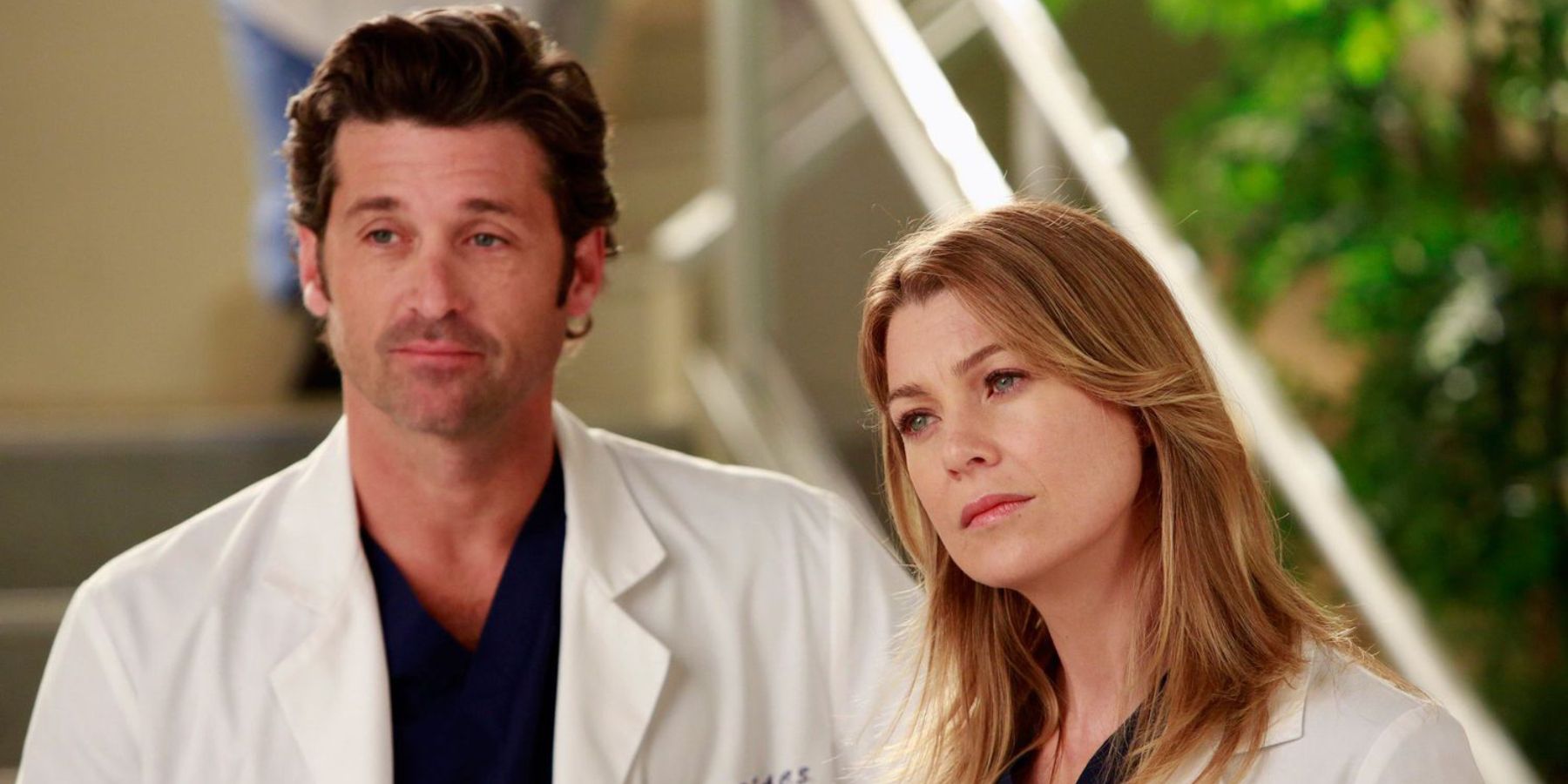
With 22 seasons under its belt, Grey’s Anatomy has firmly established itself as the longest-running medical drama on television. Since its debut in 2005, Grey Sloan Memorial Hospital has been the backdrop for countless unforgettable moments across 462 episodes, showcasing its doctors — ranging from interns to attendings — as they navigate the highs and lows of their careers and personal lives. While the show’s legacy is undeniable, it’s hard to ignore the emotional toll it can take on viewers. Between shocking twists and unexpected character deaths, even the most devoted fans may find themselves drained by the series’ many curveballs.
In contrast, the standout K-drama Hospital Playlist offers a refreshing take on the medical drama genre, thanks to Netflix. Embracing a slice-of-life approach, *Hospital Playlist *embodies the idea that “laughter is the best medicine,” all while addressing the serious nature of being a doctor. The story follows five long-time friends working in different departments, often crossing paths as they tackle both professional responsibilities and personal challenges. This results in a show that uplifts audiences, reminding us that while a medical career can be strenuous and taxing, the camaraderie shared along the way helps alleviate the pressures.
Grey’s Anatomy leans hard into the chaos of toxic relationships, both in the operating room and beyond. Take, for example, Izzie Stevens (Katherine Heigl), one of the original MAGIC crew — her promising start as a doctor spirals when she makes the reckless decision to cut Denny Duquette’s LVAD wire, putting her desires ahead of medical ethics. Owen Hunt (Kevin McKidd), a trauma surgeon with personal baggage, reveals his manipulative side in his relationship with Cristina Yang (Sandra Oh), pressuring her to have children despite her firm refusal. These instances reflect the messy, self-serving side of the hospital drama that later becomes the show’s overarching theme.
Your answers have pointed to one fictional hospital above all others. This is the ward your instincts, your temperament, and your particular brand of dysfunction were built for.
You are built for the most unsparing version of emergency medicine television has ever shown. The Pitt doesn’t romanticise the work — it puts you inside a single fifteen-hour shift and doesn’t let you look away. You are someone who needs their work to be real, who finds meaning not in the drama surrounding medicine but in medicine itself, and who has made peace with the fact that this job will take from you constantly and give back in ways that are harder to name. You don’t need the chaos to be aestheticised. You need it to be honest. Pittsburgh Trauma Medical Center is exactly that — and you would not want to be anywhere else.
You are the person who keeps the whole floor running — not the most brilliant in the room, but possibly the most essential. County General is built on the shoulders of people who show up, do the work, absorb the losses, and come back the next day without requiring the job to be anything other than what it is. You care deeply about patients as individual human beings, you believe in the system even when it fails you, and you understand that emergency medicine at its core is about holding the line between order and chaos for just long enough. ER is television about endurance, and you have it.
You came to medicine with your whole self — your ambition, your emotions, your relationships, your history — and you have never quite managed to leave any of it at the door. Grey Sloan is a hospital where the personal and the professional are permanently, chaotically entangled, and where that entanglement produces both the greatest disasters and the most remarkable saves. You are someone who feels things fully, who forms deep attachments to the people you work with, and who understands that the most extraordinary medicine often happens at the intersection of clinical skill and profound human connection. It’s messy here. You would not have it any other way.
You are drawn to the problem above everything else. Not the patient as a person — though you are capable of caring, even if you’d deny it — but the case as a puzzle, the symptom that doesn’t fit, the diagnosis hiding underneath the obvious one. Princeton-Plainsboro is a hospital that exists to house one extraordinary, impossible mind, and everyone around that mind is there because they are smart enough and stubborn enough to keep up. You work best when the stakes are highest, when the standard answer is wrong, and when the only way forward is to think harder than everyone else in the room. That is exactly what you would do here.
You understand that medicine is tragic and absurd in almost equal measure, and that the only sane response is to hold both of those things at the same time. Sacred Heart is a hospital where the laughter and the grief are genuinely inseparable — where a terrible joke can get you through a terrible moment, and where the most ridiculous people are also, on their best days, remarkably good doctors. You are warm, self-aware, and funnier than most people in your field. You lean on the people around you and you let them lean back. Scrubs is a show about learning to become someone worthy of the job — and you are still very much in the middle of that process, which is exactly right.
On the other hand, Hospital Playlist thrives on the power of friendship without becoming a total cheesy cliché. The five main doctors — Lee Ik-jun (Jo Jung-suk), Ahn Jeong-won (Yoo Yeon-seok), Kim Jun-wan (Jung Kyung-ho), Yang Seok-hyeong (Kim Dae-myung), and Chae Song-hwa (Jeon Mi-do) — have been best friends since their med school days since 1999, and that bond only deepens over the 20 years they’ve worked together. Outside of work, they’ve also stood by each other in life’s ups and downs, offering quiet support without ever overstepping boundaries or creating unnecessary tension within the friendship.
Grey’s Anatomy loves to reel viewers in with insane medical cases that seem too wild to be true. While some are based on real conditions, they’re often stretched to the extreme for maximum drama. Remember the patient with Tree Man Syndrome? His body was covered in bark-like warts, a result of severe HPV and immune deficiency — rare, but enough to send a shiver down our spines. In Season 3, audiences are introduced to a girl who couldn’t feel pain at all. Although there is an actual condition for this, true to the show’s nature, the plot is taken to dramatic heights for creative purposes, portraying the illness as more like a superpower than a medical issue.
The 30 Best TV Medical Dramas, Ranked ](/tv-medical-dramas-ranked/)
Doctor, get these viewers a TV, STAT!
Meanwhile, Hospital Playlist takes a grounded approach, focusing on cases you can imagine hearing about in real life. The heartbreak is no less intense, but it feels more relatable. Jeong-won, the pediatric surgeon, faces a crushing moment when he is unable to save a child, making him question his decision to pursue medicine. In another storyline, Song-hwa tends to a high school friend battling depression due to her breast cancer. No extreme scenarios here — just the raw, emotional weight of real-life situations experienced by both doctors and patients.
Being a fan of Grey’s Anatomy means embracing drama that sometimes goes overboard. One of the most devastating moments is the death of Derek Shepherd (Patrick Dempsey), Meredith Grey’s (Ellen Pompeo) soulmate. But it’s not just his death — it’s the emotional teasing beforehand that pulls at your heartstrings. The show leads fans through misdirection and imagined scenarios, making the final moment of Meredith pulling the plug all the more gut-wrenching. And just when you think it can’t get more extreme, there’s the Season 8 plane crash, where our beloved surgeons are stranded in the mountains.
As for Hospital Playlist, the series offers a break from the intensity with its lighthearted, comedic moments. The doctors know how to have fun outside the wards, whether they’re squabbling with the siblings over spicy food or playing in their not-so-great band. There’s even a scene with a doctor performing emergency surgery with a Darth Vader hat that’s accidentally glued to his head. The humor adds humanity to the characters, showing that they’re real people and not just robots working day and night in the hospital. At the end of the day, whether you’re up for Grey’s Anatomy’s high-stakes tension or Hospital Playlist’s more down-to-earth take, both shows reveal the chaotic, unpredictable world of medicine and the individuals who make it their living.
Hospital Playlist is available to stream on Netflix in the U.S.
Five doctors who have been friends since medical school navigate the complexities of life, love, and medicine at Yulje Medical Center. Each episode delves into their personal and professional lives, showcasing their deep bond and the heartfelt stories of their patients.