Doctor Who is built on the concept of change. Actors, companions, TARDIS designs, showrunners/producers/script editors, budgets, and even the average age of viewers watching at home - Doctor Who is the very definition of Trigger’s Broom.
Still, some of those changes have proven more significant than others. The moment William Hartnell regenerated into Patrick Troughton marked a game-changing shift. Jodie Whittaker being cast as the first female Doctor removed barriers for future generations of actors. Adric’s death confirmed that being a companion really was as hazardous as it looked.
When remembering days that fundamentally shaped the course of Doctor Who history, however, it’s hard to look beyond March 26, 2005, as the moment Doctor Who changed forever.
After 16 years in the wilderness, Doctor Who made a high-profile comeback on March 26, 2005. Its cancellation at the end of the ’80s had been a long time coming, but through audio stories and books, the spirit of Doctor Who survived. It was a talented writer and Doctor Who fan by the name of Russell T Davies who sought to restore the TARDIS to its rightful position atop the BBC, and those efforts finally culminated with the airing of “Rose.”
It immediately became clear that this wasn’t the Doctor Who of old. RTD had created a hybrid - a chimera that straddled a reboot and a revival (a revboot?) where the continuity of past series was maintained, but with the kind of extensive makeover usually reserved for full-on reboots.
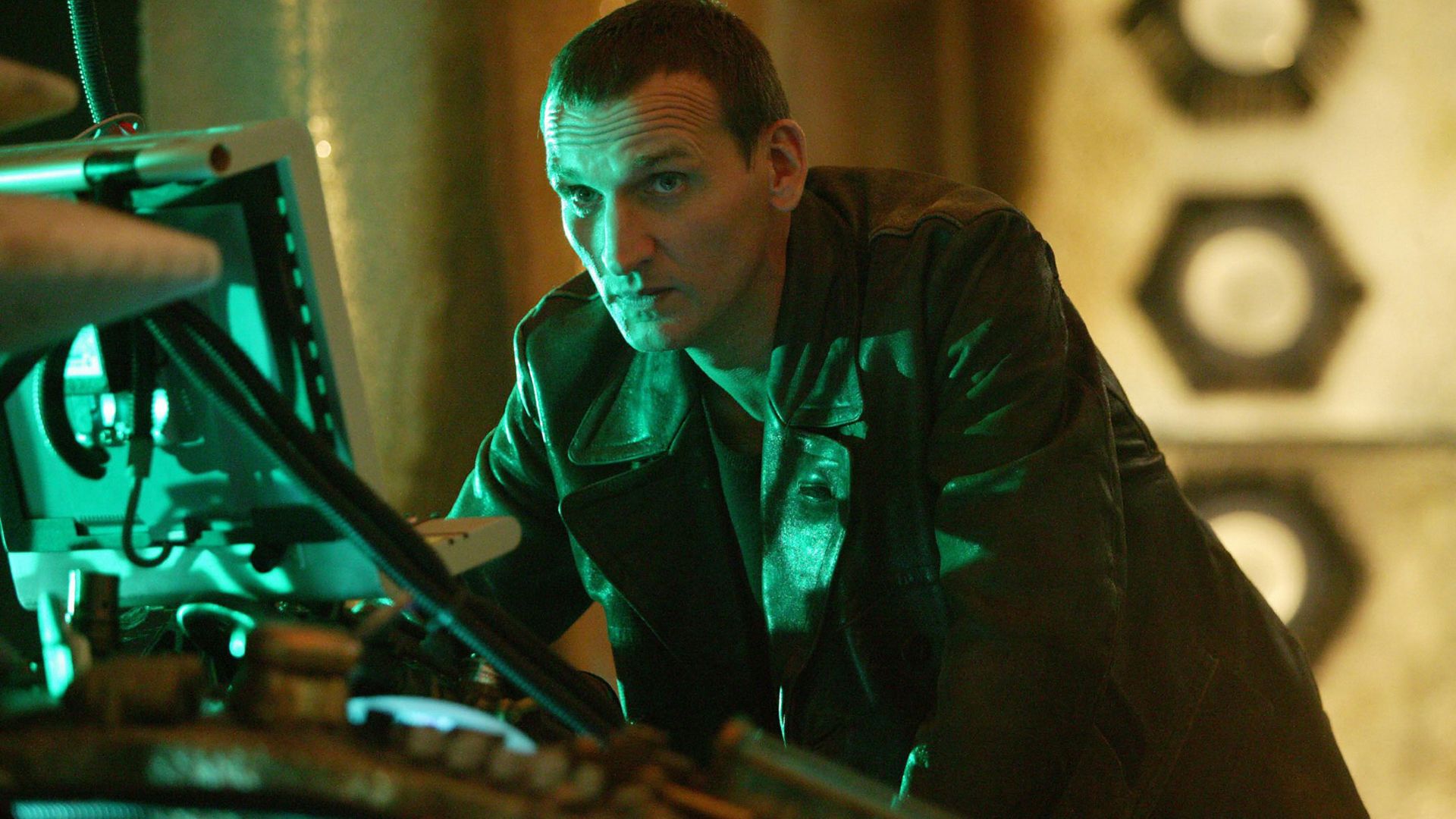
Christopher Eccleston’s Doctor was the cool hero with his leather jacket and spiky demeanor, while Billie Piper actually received a proper arc as new companion Rose. RTD would likely bemoan the budget he was afforded, but compared to Doctor Who’s past, the production values in 2005 were sublime.
Doctor Who could finally have aliens that didn’t look like a Blue Peter art project, but the changes weren’t just cosmetic. Tonally, Doctor Who had become more emotional, more drama-focused, more action-packed, more snoggy, while stories were, mercifully, no longer split over six parts. Existing fans might’ve felt a little more upset if they weren’t so delighted at just having Doctor Who back on TV.
Doctor Who had changed before, but never like this.
Doctor Who has always carried a level of cultural importance - don’t let anyone suggest otherwise. By the time those TARDIS doors were shuttered in 1989, the famous blue box had imprinted itself onto the world’s collective consciousness. T**he Simpsons’ various Fourth Doctor references were testament to that, but even then, the franchise was still viewed as something a little bit cult-y in its popularity.
Doctor Who’s return in 2005 coincided with the start of a wider, internet-driven shift that saw so-called geek culture gradually become more mainstream. Comic conventions were suddenly big business, superheroes jumped from comic books into every single home, and dedicated fandoms rapidly became the norm. And there Doctor Who was with a shiny, modern series to ride the wave.
The Twelfth Doctor himself has spoken on this, noting the sharp distinction between Doctor Who “back-in-the-day” and post-2005. Quite quickly after returning, Doctor Who regenerated into this all-encompassing media behemoth, the lives of its lead actors transformed overnight as their faces became known not just in the UK, as was typically the case, but across the globe. The Eleventh Doctor era proved especially popular in the US, ensuring Matt Smith and Karen Gillan would both transition to movie stars in the aftermath.
And as Doctor Who grew, so did the responsibilities for any actor inheriting the iconic part. Peter Capaldi describes the modern version of *Doctor Who *as an “in-your-face kind of thing that suddenly was really important to the BBC, or suddenly really important to a brand that had to be maintained.” The roots of that evolution trace directly back to March 26, 2005, when Doctor Who set out its intention to become a sci-fi adventure series with maximum appeal and wider reach than ever before.
](/db/tv-show/doctor-who-1089771/)
](/tag/sci-fi/)
](/tag/adventure/)
2005 - 2022-00-00
Graeme Harper, Euros Lyn, Douglas Mackinnon, Jamie Magnus Stone, Charles Palmer, Rachel Talalay, Joe Ahearne, James Strong, Jamie Childs, Saul Metzstein, Toby Haynes, Wayne Che Yip, Nick Hurran, Richard Clark, James Hawes, Daniel Nettheim, Colin Teague, Keith Boak, Azhur Saleem, Adam Smith, Andrew Gunn, Nida Manzoor, Lawrence Gough, Paul Murphy
Steven Moffat, Russell T. Davies